01
Surface and Fastener Corrosion
Salt deposits can attack damaged coating areas, screws, brackets, hinges, and other exposed metal parts. Rust and oxidation may weaken the housing and make future maintenance more difficult.

Coastal and marine sites face a specific threat that a standard IP rating does not fully address: salt-laden air can settle on fixtures, penetrate vulnerable connections, and gradually corrode coatings, fasteners, housings, and electrical components.
MVS salt mist resistant lights use marine-grade aluminium housings, 316 stainless-steel fasteners, and protective surface treatments designed for salt exposure. Applicable configurations can be verified against IEC 60068-2-52 and ISO 9227 salt-spray test requirements.
Salt carried by marine air settles on exposed surfaces and combines with moisture to create a conductive, corrosive layer. Damage may develop gradually, even when the fixture continues operating normally during the early stages.
Salt deposits can attack damaged coating areas, screws, brackets, hinges, and other exposed metal parts. Rust and oxidation may weaken the housing and make future maintenance more difficult.
Salt-laden moisture can accumulate around cable entries, connectors, joints, and gasket interfaces. Once corrosion reaches electrical contacts, unstable operation or premature failure may follow.
Replacing fixtures on coastal roads, port structures, cranes, or offshore facilities may require lifting equipment, traffic control, or interruption of normal operations, making early corrosion especially costly.
A salt mist resistant fixture should be reviewed as a complete system. Housing material, coating, fasteners, seals, cable entries, thermal design, and electrical connections all affect long-term coastal performance.
Die-cast aluminium provides the main fixture structure, while a suitable anti-corrosion surface treatment helps protect exposed housing areas from oxidation and salt deposits.
Check coating specificationScrews, brackets, and other exposed hardware are common corrosion points. 316 stainless-steel fasteners provide stronger resistance to marine exposure than ordinary steel hardware.
Check all exposed hardwareGaskets, cable glands, connectors, and housing joints must limit water and salt-laden moisture from reaching drivers, wiring, and LED boards.
IP65 or IP66 optionsSalt-resistant materials should not prevent the fixture from releasing heat. The housing and heat-dissipation structure must keep LEDs and drivers within their intended operating temperatures under the actual coastal climate.
Check ambient temperatureStable LED output, suitable drivers, surge protection, sealed electrical connections, and durable optical covers help maintain illumination while reducing maintenance in difficult-to-access coastal installations.
Check driver and surge optionsSalt mist lighting is intended for locations where marine salt or de-icing salt creates a direct corrosion risk. The exposure level, installation distance from the coast, wind direction, and maintenance access should be evaluated for each project.
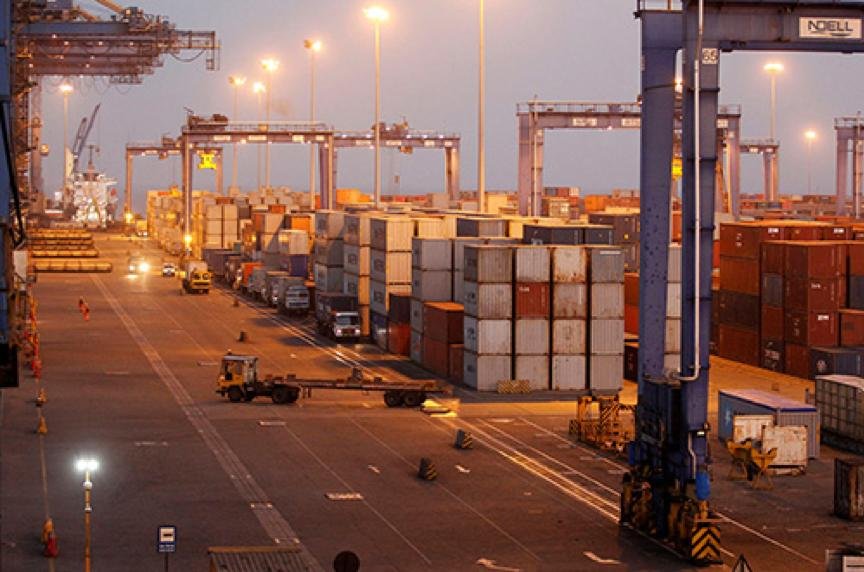
Port lighting operates around container yards, loading areas, vehicle routes, and cargo-handling equipment while facing salt-laden air, rain, wind, and continuous nighttime operation.
Shipbuilding areas, repair docks, offshore structures, and marine platforms may experience direct salt spray, high humidity, strong wind, vibration, and difficult maintenance access.
Road and bridge luminaires near the coast face airborne salt, wind-driven rain, strong sunlight, vibration, and long maintenance intervals above traffic or water.
Waterfront roads, promenades, public spaces, and harbor infrastructure may require both functional visibility and materials suitable for long-term exposure to marine air.
Salt mist resistance describes the environmental configuration. The fixture itself must still match the lighting task, mounting position, coverage area, and required beam distribution.
LED floodlights are commonly used across ports, shipyards, loading areas, waterfront infrastructure, and other wide coastal sites. The selected model can then be configured with suitable housing treatment, fasteners, sealing, and electrical components for the required salt exposure.
If acids, alkalis, solvents, or industrial chemicals are the main exposure rather than marine salt, use the corrosive-area route.
Explore Corrosive Area LightingIf the main problem is cleaning water, humidity, condensation, or repeated wet-and-dry cycles without salt, use the wet-environment route.
Explore Wet Environment LightingIf the main question is lighting layout for loading, unloading, dock edges, and cargo movement, review the operational dock-lighting page.
Explore Dock LightingSalt exposure varies greatly between coastal locations. These answers clarify the main technical points to confirm before specifying luminaires for a salt-laden environment.
A suitably configured LED luminaire may have a rated operating life of 50,000 hours or more, but this figure does not by itself guarantee corrosion resistance. Actual service life depends on salt concentration, distance from the shoreline, exposure cycles, mounting position, maintenance and the materials used in the confirmed fixture configuration.
IP66 indicates resistance to dust ingress and powerful water jets. It does not confirm that the housing, coating, fasteners and exposed components can withstand long-term salt corrosion. Salt mist applications require suitable materials and, where specified, supporting salt-spray test reports.
IEC 60068-2-52 and ISO 9227 are commonly referenced for cyclic salt-mist and salt-spray testing. The required test method, duration and acceptance criteria should be confirmed against the project specification. Always request documentation for the exact luminaire model and material configuration.
Yes. A salt-resistant configuration can also be relevant for inland roads, bridges, transport depots and maintenance areas exposed to de-icing salts. Product selection should be based on the actual corrosion source and exposure level rather than location alone.

MVS Lighting
Professional LED Outdoor Lighting Supplier
Reply within 2 hours
Need LED lighting for your project?
WhatsApp Us
Online | Privacy policy
Get Quote on WhatsApp