01
Driver Overheating
A driver operating beyond its rated ambient temperature may experience unstable output, component degradation, flicker or premature failure.

High-temperature industrial environments place continuous thermal stress on LED modules, drivers, seals and electrical connections.
MVS high temperature light solutions are configured according to the verified ambient temperature, operating hours and installation position of steel mills, foundries, glass factories, cement plants and other heat-intensive facilities.
High ambient temperature reduces the fixture’s ability to release internally generated heat. This increases thermal stress across the complete lighting system.
A driver operating beyond its rated ambient temperature may experience unstable output, component degradation, flicker or premature failure.
Excessive junction temperature can reduce LED efficiency and accelerate lumen depreciation, lowering useful illumination over the operating life of the fixture.
Continuous heat can harden seals, weaken cable insulation and place additional stress on electrical connections if materials are not selected for the operating conditions.
Dust accumulation, limited airflow and installation near hot equipment can reduce cooling performance and raise internal component temperatures further.
Measure the air temperature at the intended fixture position during normal production. Furnace temperature or general workshop temperature may not represent the heat actually experienced by the light.
A high-temperature lighting solution must control internally generated heat while protecting components from the surrounding industrial environment.
The driver must be selected according to its documented ambient-temperature rating, electrical load and expected operating hours rather than brand name alone.
Aluminum housing structure, heat-dissipation surfaces and installation clearance are evaluated together to limit internal temperature rise during operation.
Seals, wiring, cable entries and electrical connections should use materials suitable for continuous exposure to the verified temperature at the fixture position.
Where practical, the fixture or driver position can be kept away from direct radiant heat, furnaces and restricted-airflow zones to reduce thermal stress.
Final selection should consider maximum ambient temperature, exposure duration, radiant heat, dust accumulation, airflow and the tested limits of the complete fixture configuration.
High-heat industrial sites require lighting selected according to the temperature measured at the fixture position, exposure duration and surrounding production conditions.
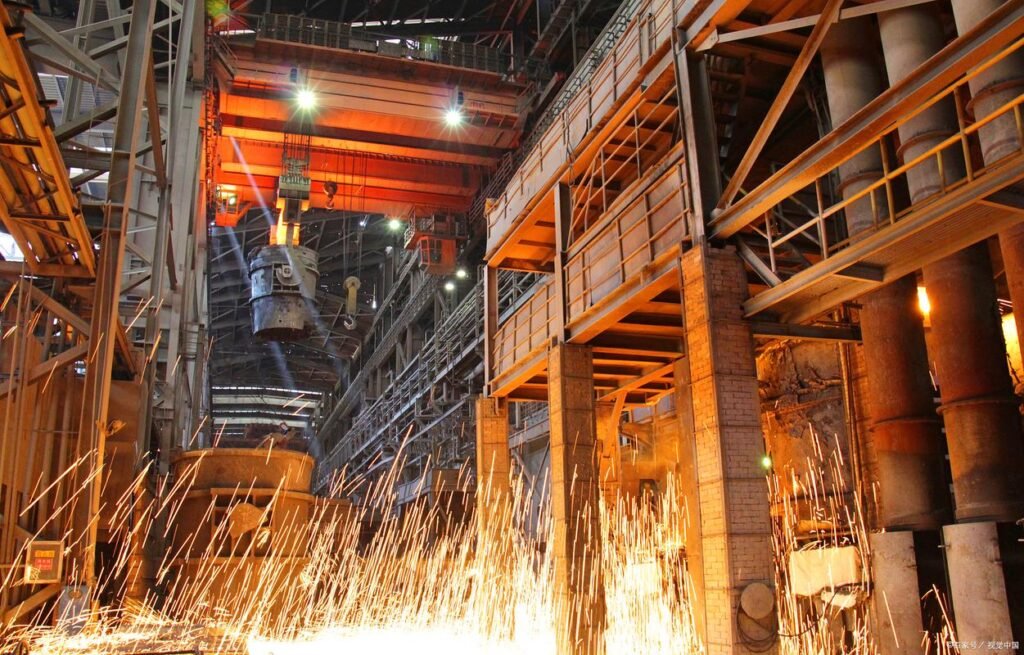
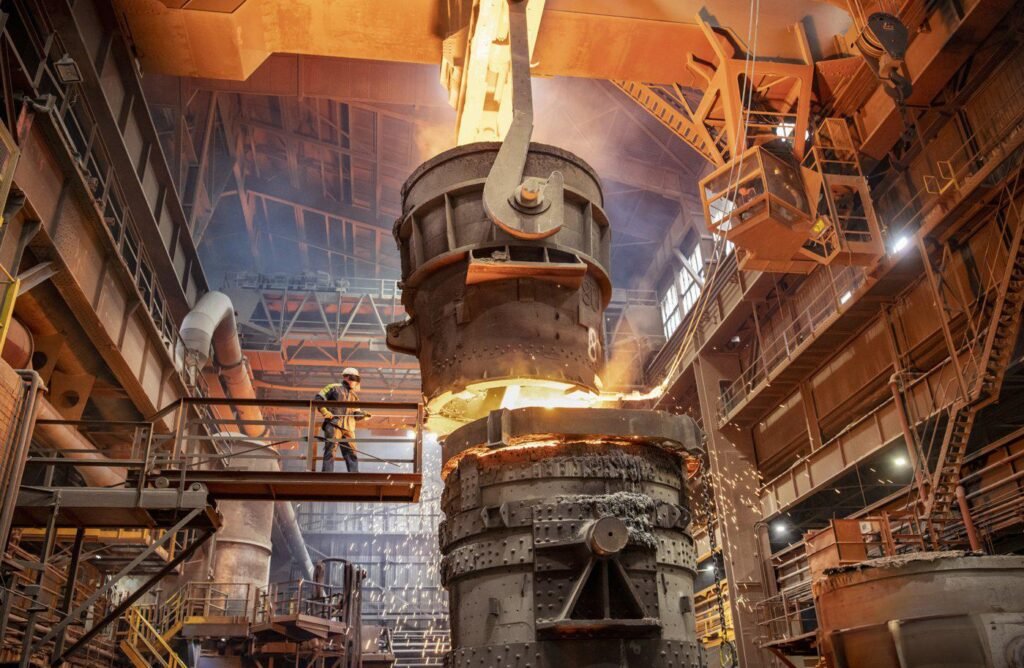
Furnace areas, rolling lines and material-handling zones can expose fixtures to sustained ambient heat, radiant energy, dust and long operating hours.
Melting, casting and finishing areas require lighting configured around localized heat sources, airborne particles and demanding production schedules.
Furnaces and forming lines can create continuous thermal stress. Fixture placement should consider both ambient temperature and direct radiant heat.
Kiln areas and processing zones may combine high temperatures with heavy dust, making thermal performance, housing structure and maintenance access important.
Crushing, drying and processing areas may expose lighting to heat, dust, vibration and extended operating cycles that require a project-specific configuration.
Site measurement matters: provide the maximum ambient temperature at the planned fixture position, not only the temperature of the furnace, kiln or production equipment.
The final product direction depends on whether the installation is indoors or outdoors, the available mounting position and the verified temperature around the complete fixture.
A starting point for steel plants, foundries, cement plants and other indoor industrial spaces with elevated mounting positions.
Explore High Bay SeriesA starting point for open processing zones, yards and adjustable wide-area lighting installations exposed to elevated ambient heat.
Explore Floodlight SeriesKey questions for industrial buyers selecting lighting for continuously hot production environments.
The maximum temperature depends on the selected fixture, driver and complete component configuration. MVS must verify the documented operating range against the measured ambient temperature and exposure duration of the project before confirming suitability.
Sustained heat accelerates the degradation of internal electronic components. When a driver operates beyond its specified ambient range, it may produce unstable output, flicker or premature failure.
Yes. Excessive junction temperature can reduce LED efficiency and accelerate lumen depreciation. Effective heat dissipation, appropriate electrical loading and a suitable fixture configuration help control this risk.
Typical applications include steel mills, foundries, glass factories, cement plants and mineral-processing facilities with sustained elevated ambient heat.
MVS Lighting
Professional LED Outdoor Lighting Supplier
Reply within 2 hours
Need LED lighting for your project?
WhatsApp Us
Online | Privacy policy
Get Quote on WhatsApp