Zhaga Receptacle
The receptacle is integrated into the luminaire and provides the physical connection point for a compatible external control or sensor node.

A Zhaga lighting control system uses a standardized interface between compatible outdoor luminaires and external control or sensor nodes. It helps municipal authorities, contractors and lighting operators prepare street lights for photocells, wireless controllers and future smart-city upgrades without replacing the complete luminaire.
MVS can configure project luminaires with compatible Zhaga interfaces, dimmable drivers and suitable surge and environmental protection. The interface does not define the wireless communication protocol by itself, so the control node, driver and management platform must be selected as one coordinated system within the wider smart lighting solution .
A Zhaga-based luminaire provides a standardized mechanical and electrical connection for a compatible sensor or communication node. The interface simplifies installation and replacement, while the selected control technology determines how lighting commands and operating data are transmitted.
Zhaga Book 18 defines an interface between outdoor luminaires and sensing or communication modules. A compatible node can be installed on the luminaire through a compact receptacle without opening the driver compartment.
The interface commonly works with a D4i-compatible driver and uses low-voltage power and digital communication. This supports a more serviceable architecture than permanently integrating every control component inside the luminaire.
The receptacle is integrated into the luminaire and provides the physical connection point for a compatible external control or sensor node.
Depending on the project, the replaceable node may include a photocell, motion sensor, wireless communication module or a combination of sensing and control functions.
The compatible driver receives dimming commands and operates the LED module. Driver selection must match the required control interface, power range and project operating conditions.
If the node includes wireless communication, it exchanges commands and status data with the selected gateway or lighting management platform. The network protocol is separate from the Zhaga mechanical interface.
A standardized control-node interface gives project owners more flexibility when installing, maintaining and upgrading outdoor lighting systems over their operating life.
Sensors and communication nodes can be installed or replaced without opening the main driver compartment, helping simplify field service and reduce unnecessary luminaire disassembly.
A project can install compatible luminaires first and add suitable sensing or network functions later, provided the driver, receptacle and selected node are designed to work together.
The compact interface supports streamlined outdoor luminaire designs while providing a defined connection point for external control equipment.
Compatible nodes can support daylight sensing, motion detection or environmental monitoring, allowing lighting behavior to respond to actual site conditions.
When connected to a suitable communication system, each luminaire can be addressed for switching, dimming, scheduling and operating status collection.
Modular control components allow maintenance teams to replace the external node separately from the LED luminaire, subject to system compatibility and the cause of the fault.
A Zhaga receptacle alone does not guarantee remote monitoring, wireless coverage, energy reporting or compatibility with every control platform. These capabilities depend on the selected node, driver, communication network, gateway and management software.
Practical answers for buyers, engineers and system integrators specifying Zhaga-ready luminaires for outdoor lighting projects.
No. Zhaga defines standardized interfaces between compatible luminaires and components. The installed node may use Zigbee, LoRa, cellular or another communication technology, but that protocol is separate from the Zhaga interface itself.
Both provide replaceable control-node connections, but they use different mechanical and electrical interfaces. Zhaga Book 18 uses a compact low-voltage interface, while common NEMA-based solutions use a larger twist-lock receptacle. Selection depends on the project specification, regional practice and control equipment.
Zhaga Book 18 solutions are commonly designed around D4i-compatible drivers because they can provide the required power and digital data interface. The exact driver and node combination must still be checked for compatibility before production.
Yes, if the luminaire is supplied with the correct receptacle, compatible driver and protective sealing arrangement. A suitable node may then be fitted during commissioning or a later control upgrade without replacing the complete luminaire.
Retrofitting may be possible, but it is not automatically suitable for every luminaire. The housing, wiring, driver, mounting space, sealing and electrical safety must be reviewed. For many projects, specifying a factory-configured Zhaga-ready luminaire is more reliable.
The protection level must be assessed for the complete assembled product. The receptacle requires the correct sealing cap or compatible node, and installation must follow the specified mounting and sealing method to maintain the required outdoor protection.
Review the alternative control-node interface and digital dimming technology most closely connected with Zhaga-ready outdoor luminaires.
Compare the larger twist-lock receptacle commonly used for outdoor photocells and communication controllers, particularly in street lighting projects that specify a NEMA-based control interface.
View NEMA Lighting ControlLearn how digital lighting communication supports addressable control, dimming, grouping and status data when compatible drivers and control equipment are integrated into the project architecture.
View DALI Lighting ControlLorem ipsum dolor sit amet, consectetur adipiscing elit. Ut elit tellus, luctus nec ullamcorper mattis, pulvinar dapibus leo.
This controller provides individual light control, energy management, and real-time monitoring for LED streetlights and outdoor luminaires.
It offers rapid installation, open-ecosystem compatibility, and long-term reliability for large-scale smart-city applications.
The Zhaga-Book18 connector allows one-minute installation without rewiring.
It supports fast replacement and reduces maintenance work for field teams.
Supports 0–100% linear dimming and automatic strategy switching, including full-night mode, midnight mode, and holiday mode.
Improves lighting efficiency and supports long-term energy savings.
LoRaWAN long-range communication ensures reliable data transmission for large urban deployments.
Supports remote monitoring, scheduling, and parameter updates.
The integrated GPS module offers stable and accurate positioning.
It enables astronomical scheduling based on latitude and longitude.
The controller adjusts brightness according to weather, traffic flow, and time period.
Supports dual-CCT switching during fog or low-visibility conditions for safer roads.
Real-time monitoring provides visibility into lamp status and performance.
Automatic fault alarms help reduce inspection time and improve maintenance efficiency.

Tool-free installation and plug-and-play design shorten on-site work by up to 80%. Ideal for retrofits and large-scale project rollouts.
Certified with Zhaga and DALI-D4i, ensuring seamless interoperability with third-party systems. Suitable for cities and integrators building expandable smart-lighting networks.

Engineered with weather-resistant materials and IP65 protection. Operates reliably from –40°C to +85°C, suitable for extreme outdoor environments.
Improves visibility and traffic safety with adaptive brightness control.
Supports scene-based illumination to create comfortable commercial atmospheres.
Enables linked sensing and optimized lighting for safer, more efficient operations.
Provides efficient illumination strategies for public spaces and pedestrian areas.
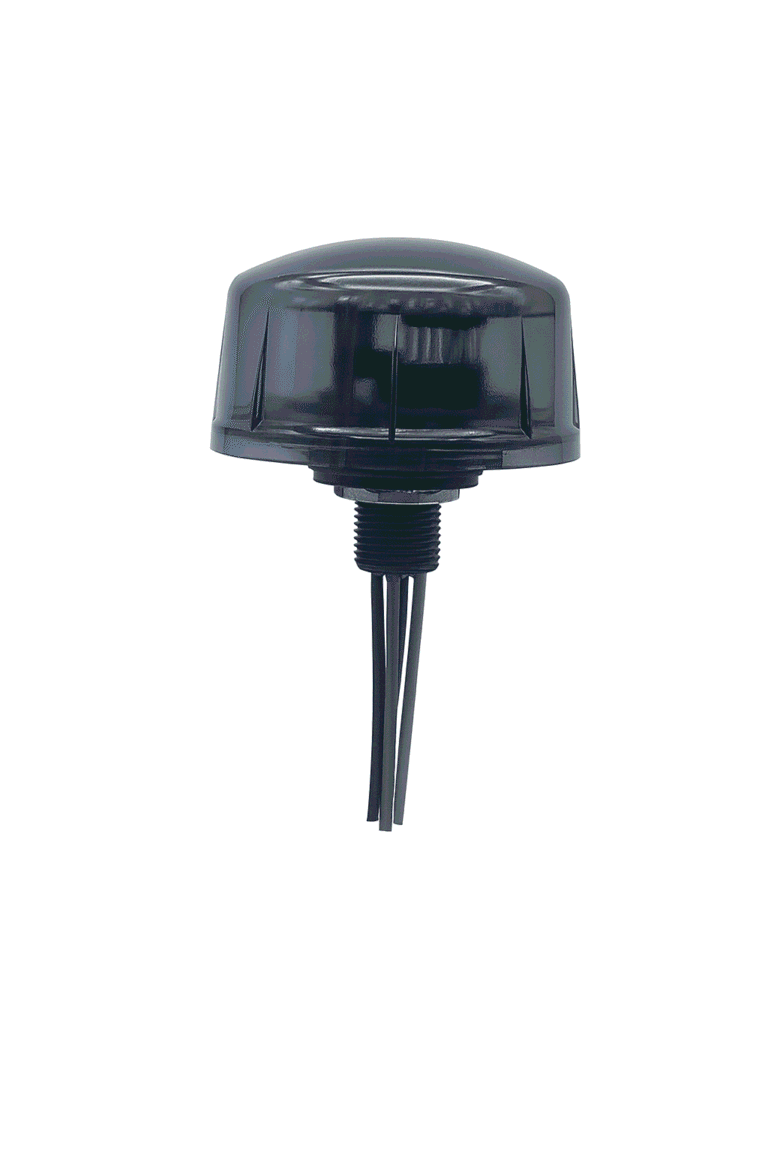
Input Voltage: DC 12–24V
Communication Voltage: 16V DC
Communication Protocol: LoRaWAN (uplink)
Standard Interface: Zhaga-Book18
Dimming Method: DALI (D4i protocol)
CCT Adjustment: Supports segmented CCT tuning
Switch Channel: 1 channel
Positioning: Built-in GPS module
Upgrade Method: Supports Bluetooth Mesh wireless upgrade
Operating Temperature: –40°C to +85°C
Protection Rating: IP65
Dimensions: Ø80.3 mm × 48.65 mm
Installation Method: Twist-lock Zhaga mounting
Works with various smart-lighting platforms through open communication protocols.

Supports adding motion sensors, ambient-light sensors, and traffic-flow detection modules.

Compatible with LoRaWAN gateways and cloud-based lighting management systems.
For project pricing, sample testing, and system integration support, please contact our engineering team.
We provide technical documentation and assist with deployment planning for municipal and commercial applications.
It works with any luminaire using the Zhaga-Book18 interface and DALI-D4i driver.
Yes, LoRaWAN communication requires a compatible gateway for uplink data.
Dimming settings are managed through the lighting platform and support multiple strategies.
Yes, it supports open standards and interoperates with multiple management systems.
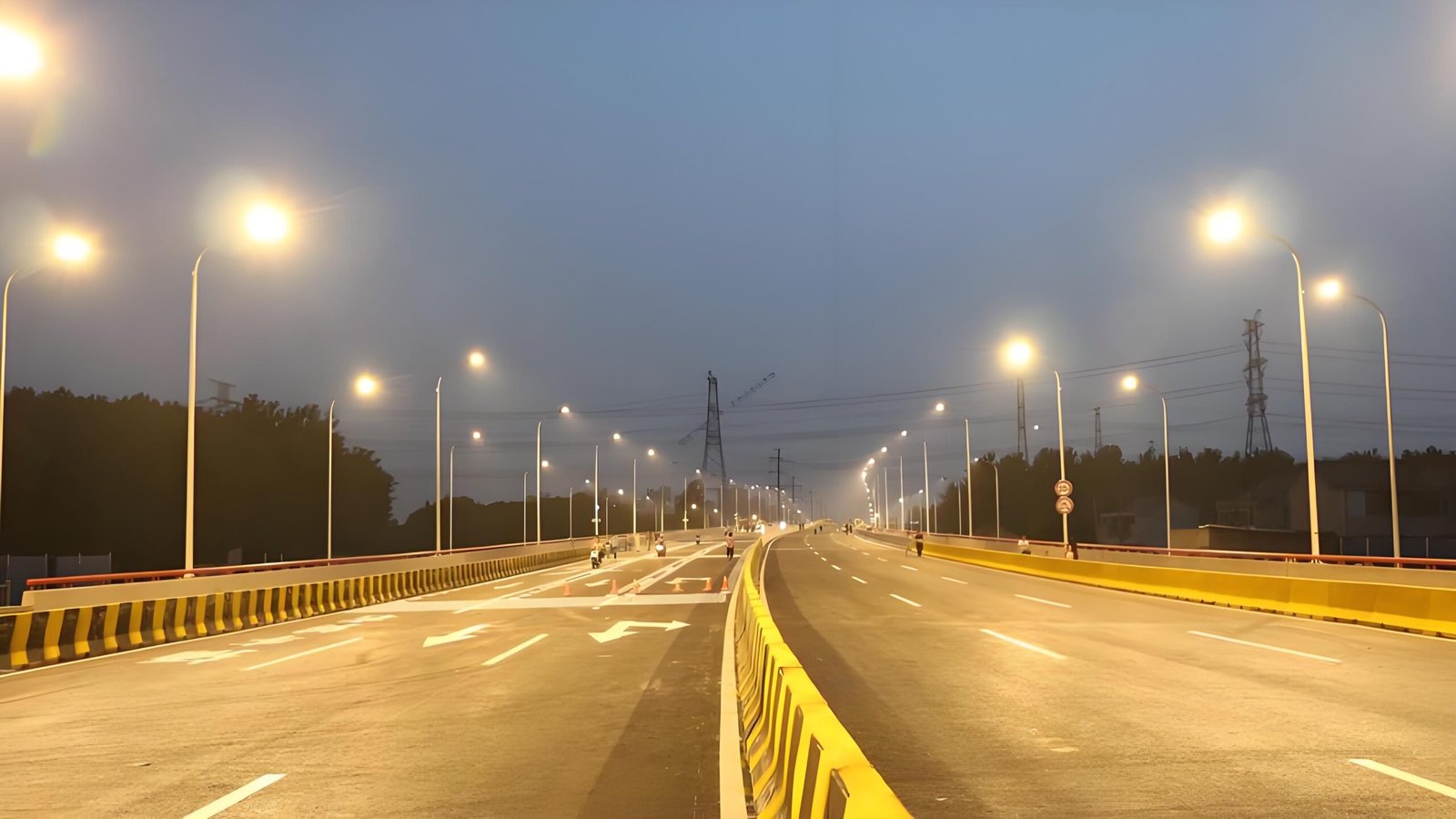
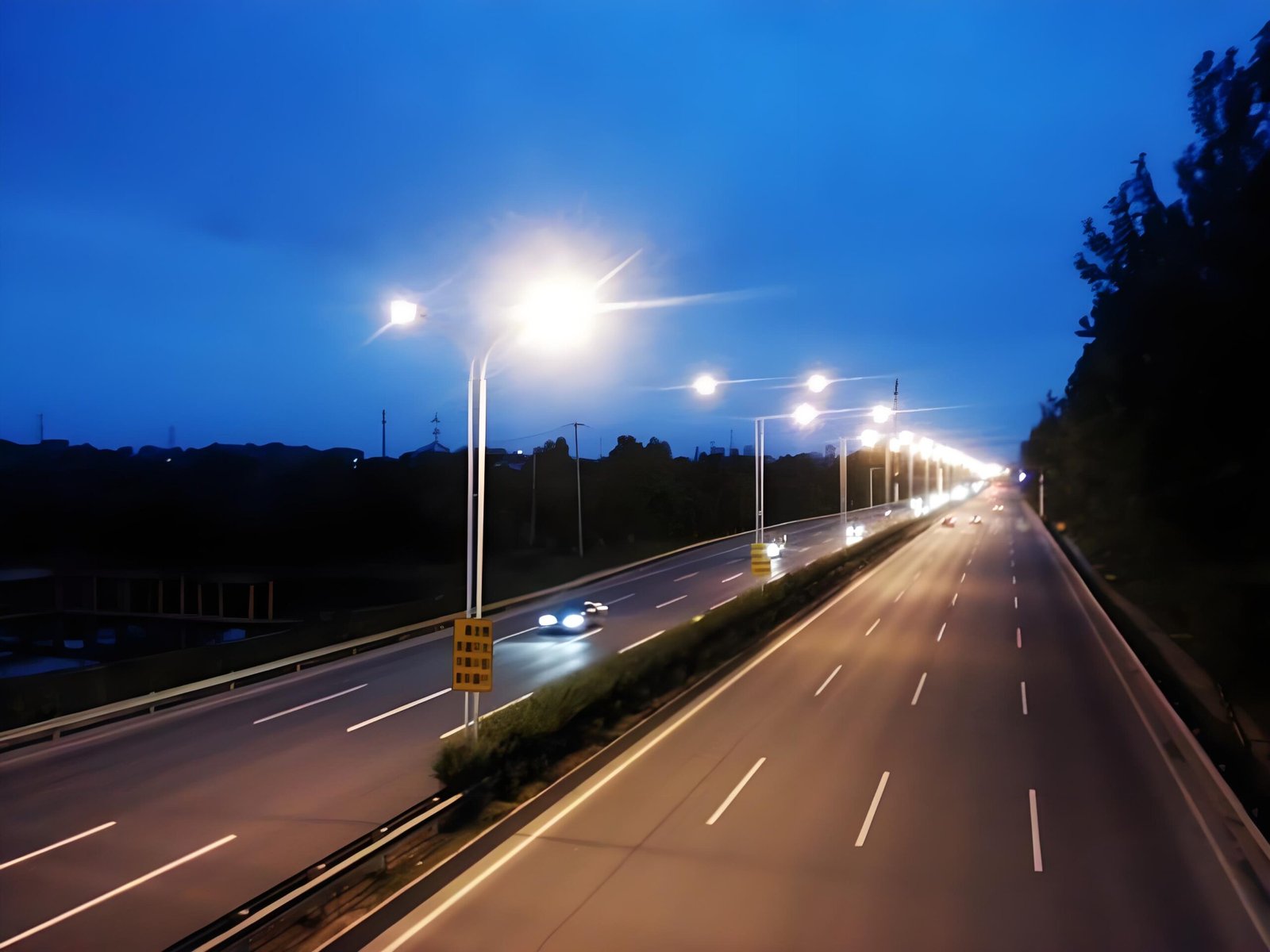
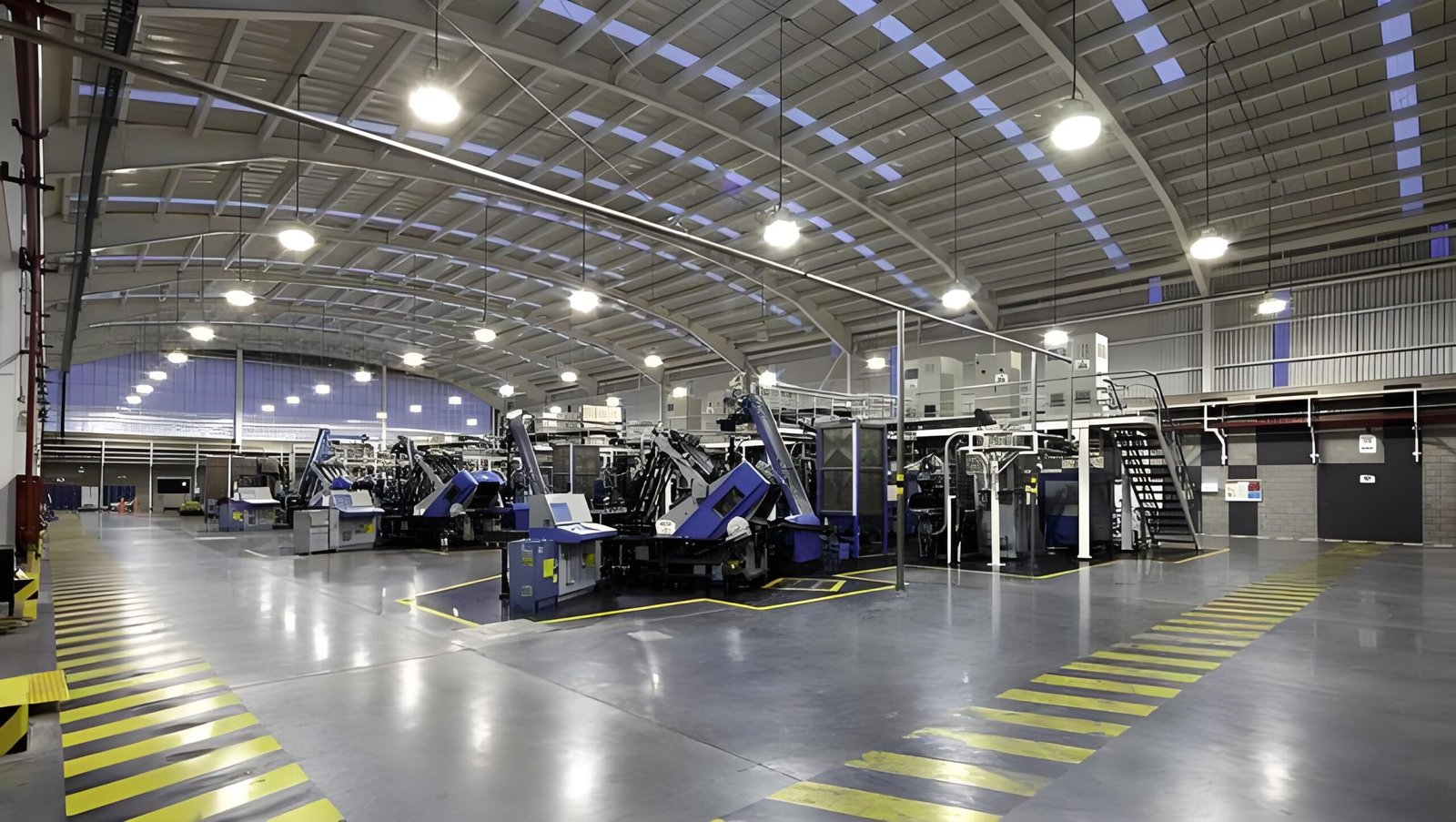
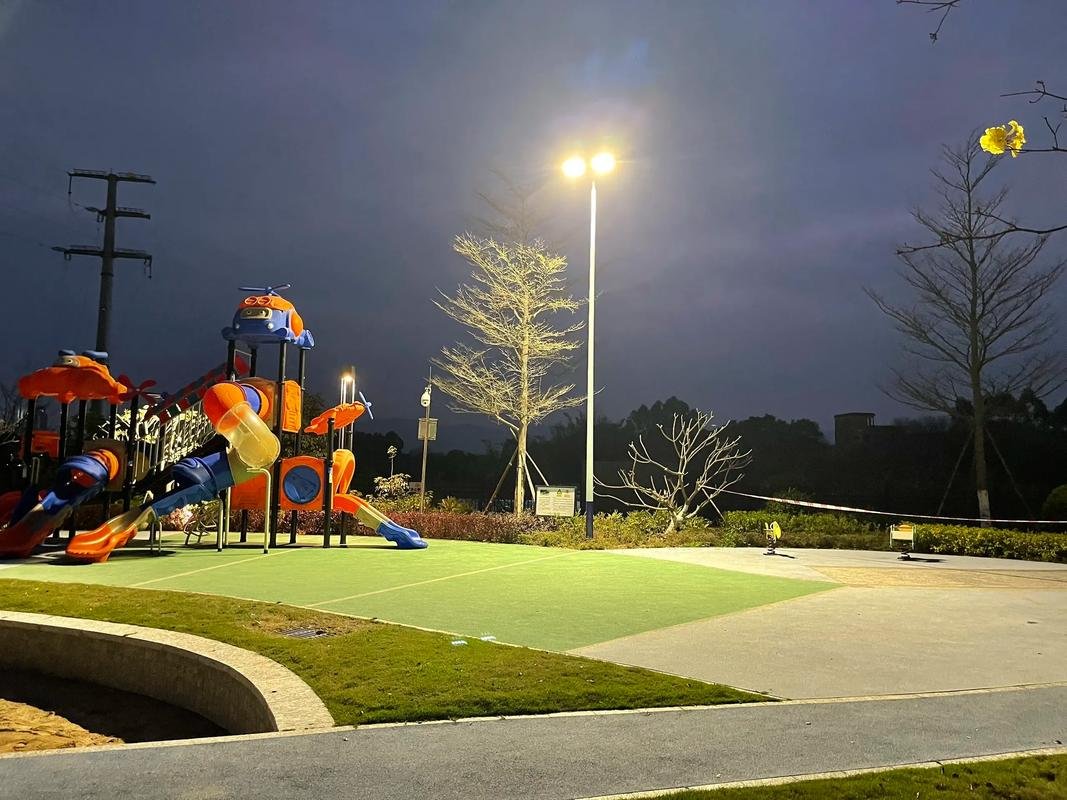
Urban roads, commercial streets, campuses, industrial areas, and smart-city projects.
Select the topic that best fits your project needs.
Smart Control Systems and Standards:
[Smart Lighting System] | [Central Control System] | [Automatic Scene Control] | [Smart Gateway] | [LoRa System] | [Bluetooth Control System] | [Zigbee] | [Zhaga] | [NEMA]
Lighting Control and Dimming Methods:
[DMX512] | [DALI Dimming] | [Timer Light] | [0-10V Dimming] | [Single Color Dimming] | [Sensor Control] | [Smart Control Systems] | [IoT Lighting System]
View the complete Smart Lighting Knowledge Hub for more topics.
MVS Lighting
Professional LED Outdoor Lighting Supplier
Reply within 2 hours
Need LED lighting for your project?
WhatsApp Us
Online | Privacy policy
Get Quote on WhatsApp