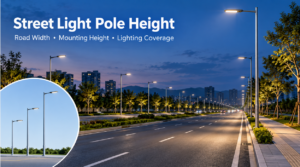
Street Light Pole Height Guide for Road Projects
Written by Chris Choi, Technical Sales Manager at MVS Lighting, with practical experience supporting overseas buyers on LED street lighting projects. Street light pole height

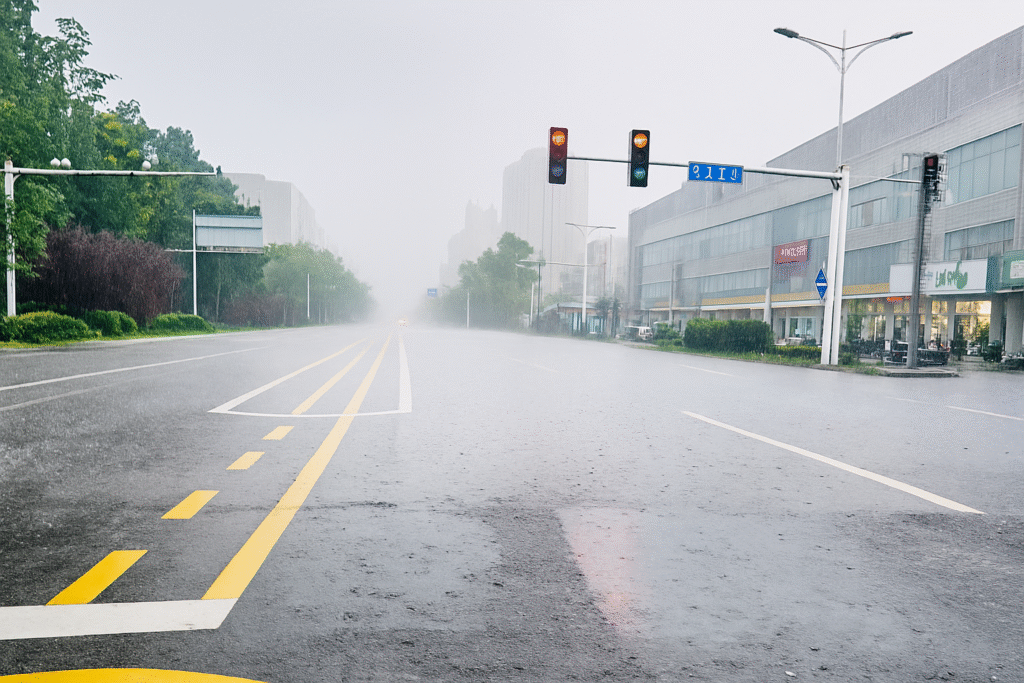
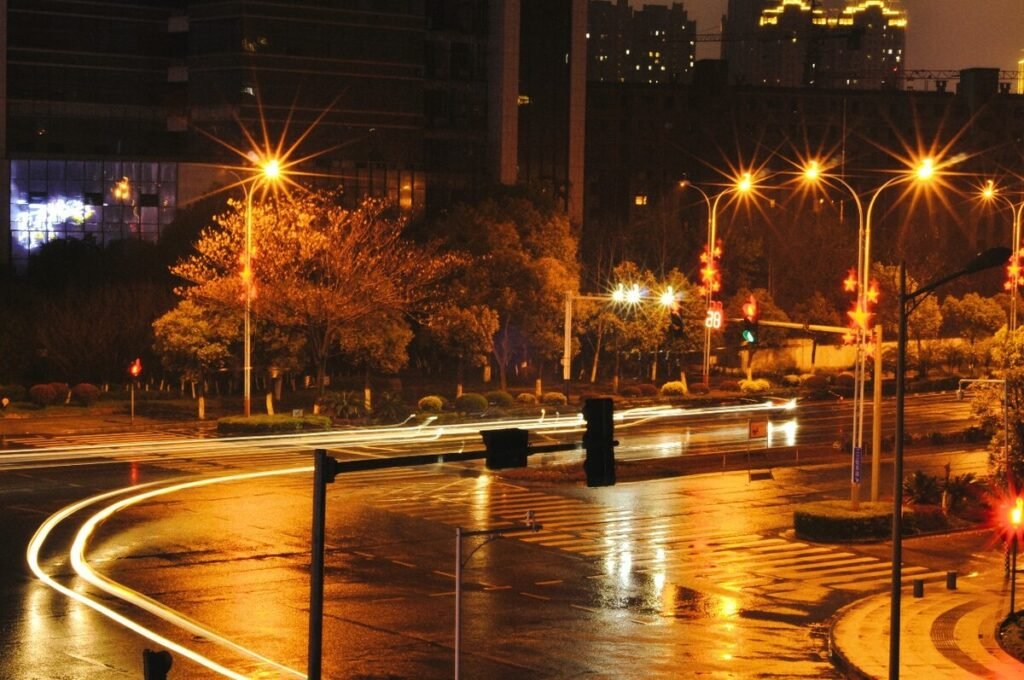
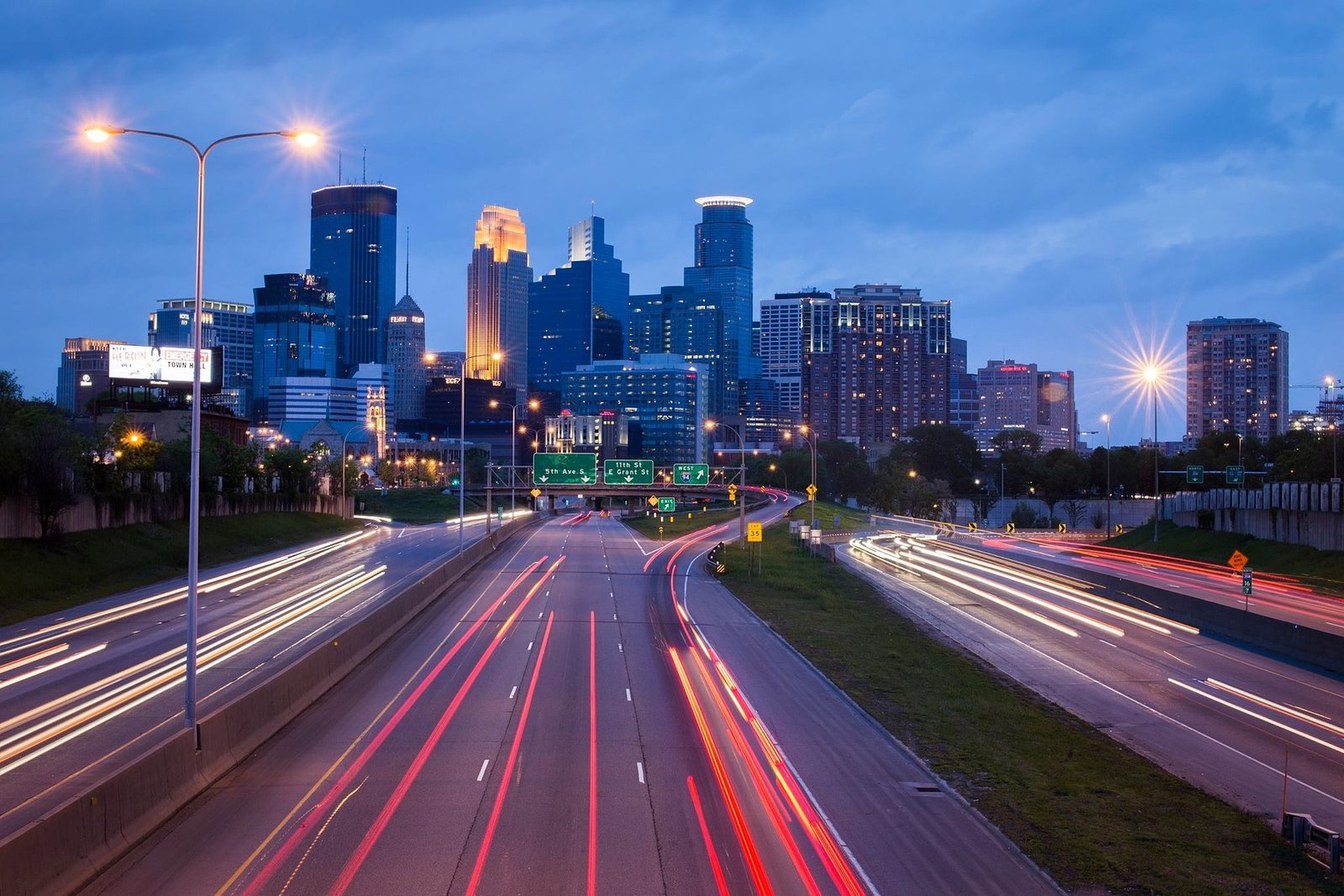
Ensure stable lighting control across busy city roads and main avenues, with automatic dimming schedules that reduce energy waste during off-peak hours.
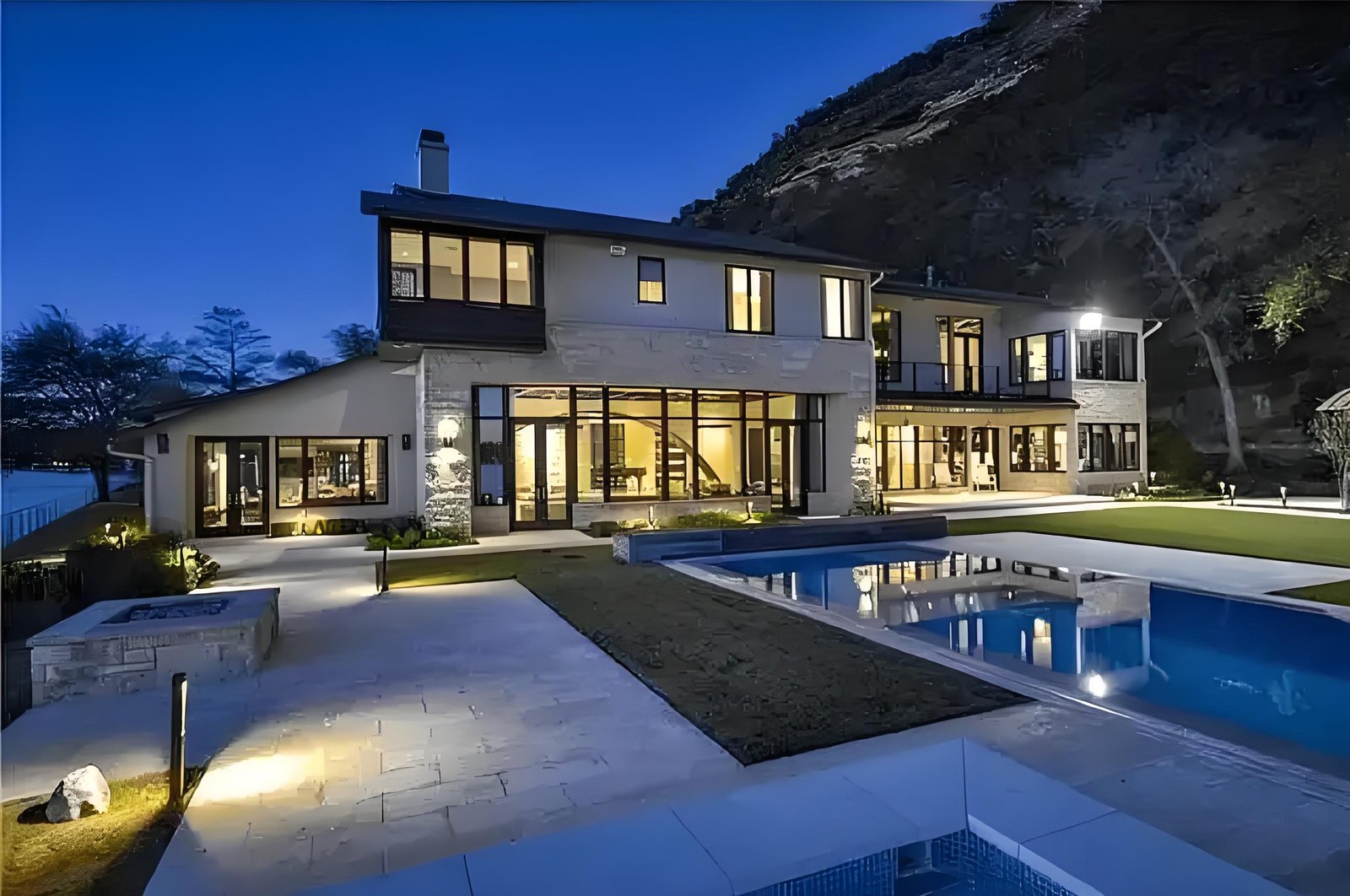
Provide residents with safe, well-lit environments using intelligent brightness control that adjusts based on time or motion sensors.
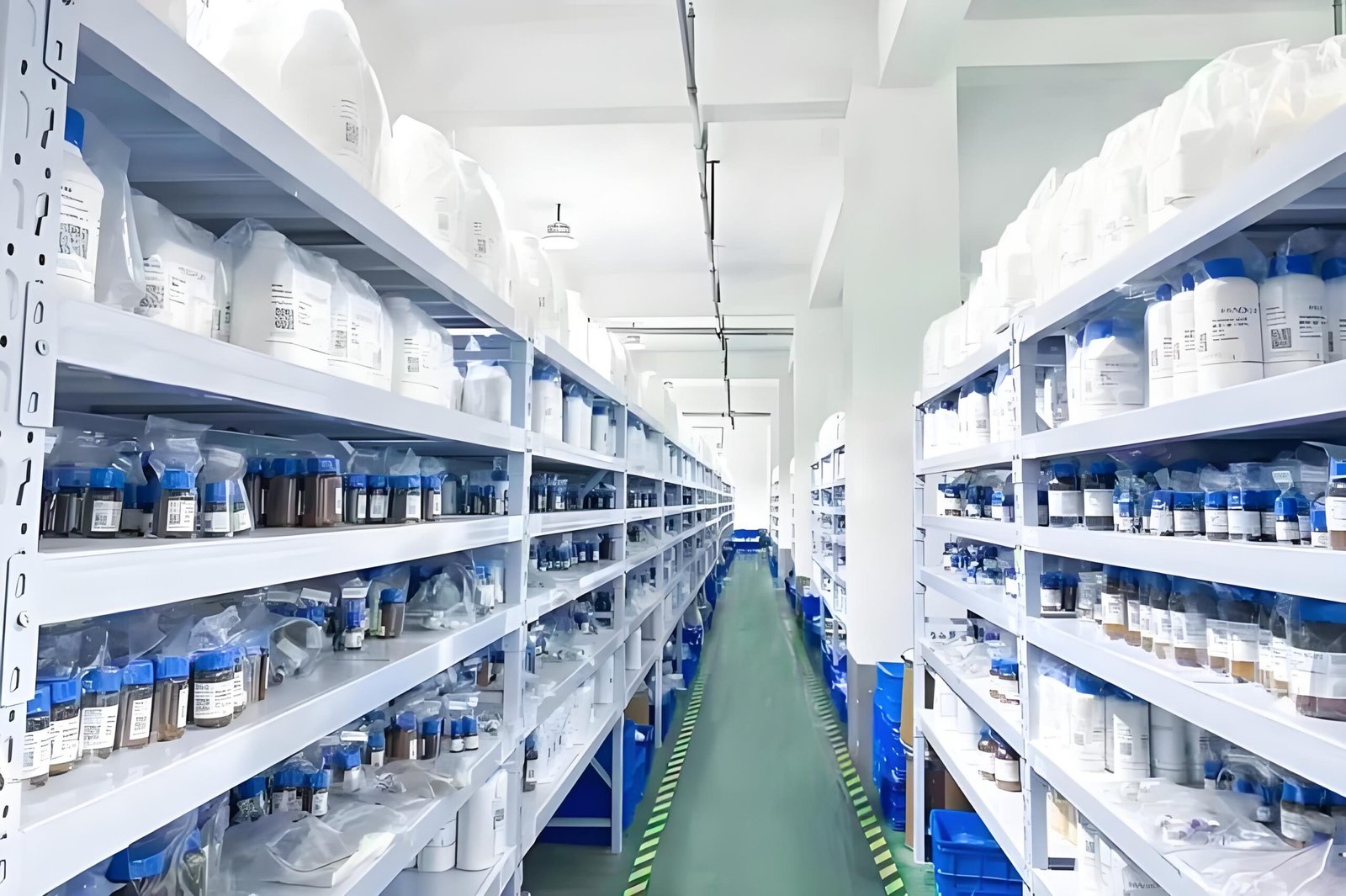
Manage large-scale lighting systems efficiently through centralized monitoring, reducing maintenance frequency and improving overall reliability.
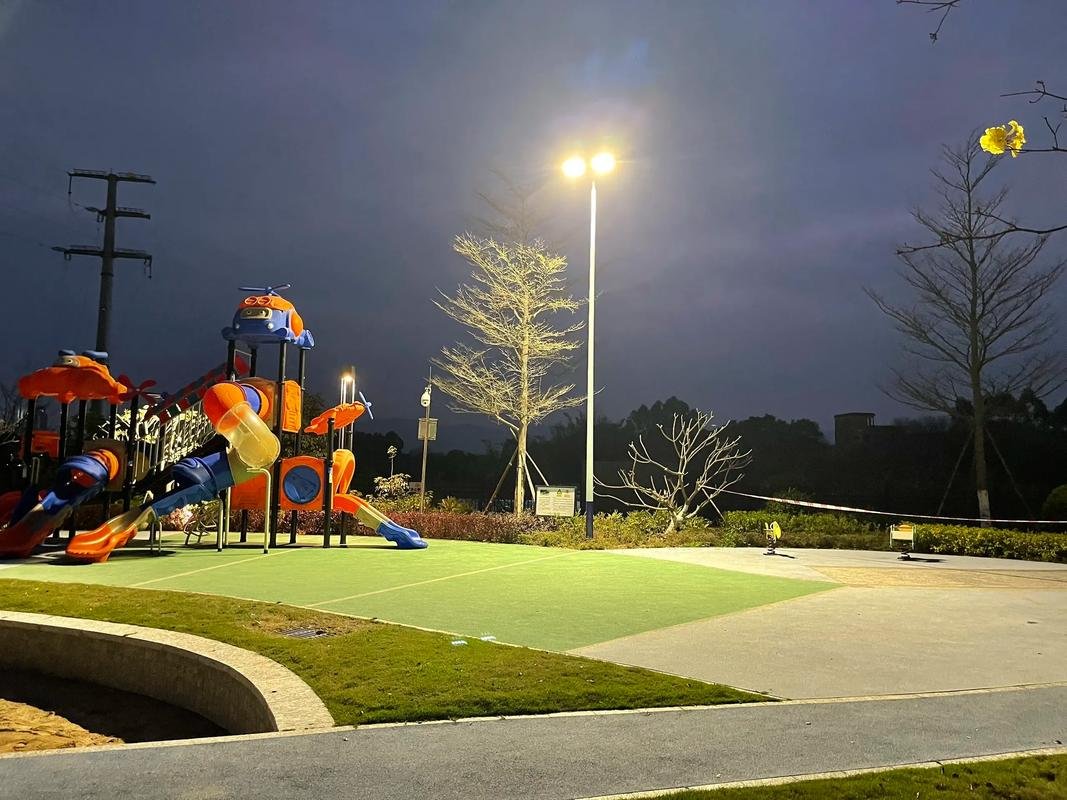
Use ZigBee mesh control to balance illumination and aesthetics, creating comfortable and energy-saving public spaces at night.
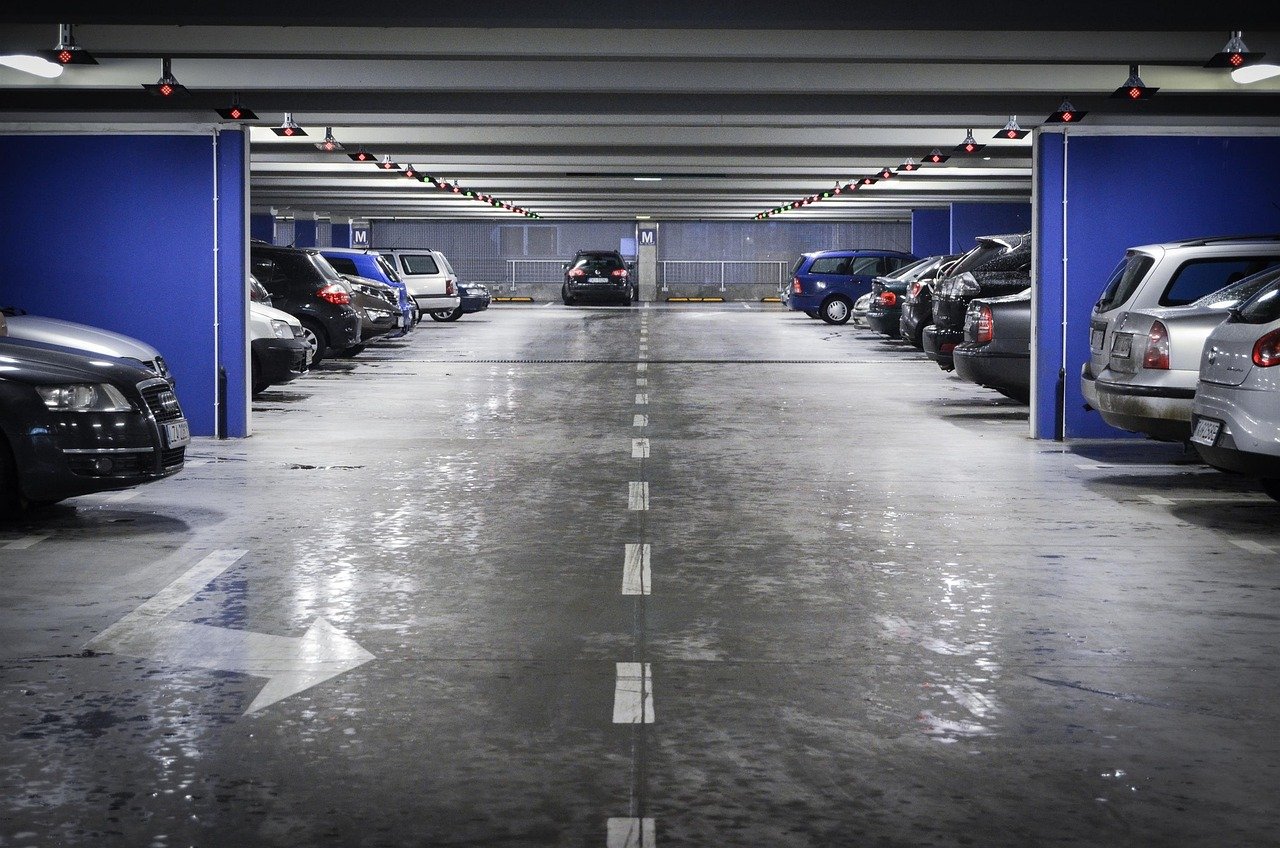
Enable responsive lighting that activates automatically when vehicles or people are detected, optimizing both safety and energy consumption.
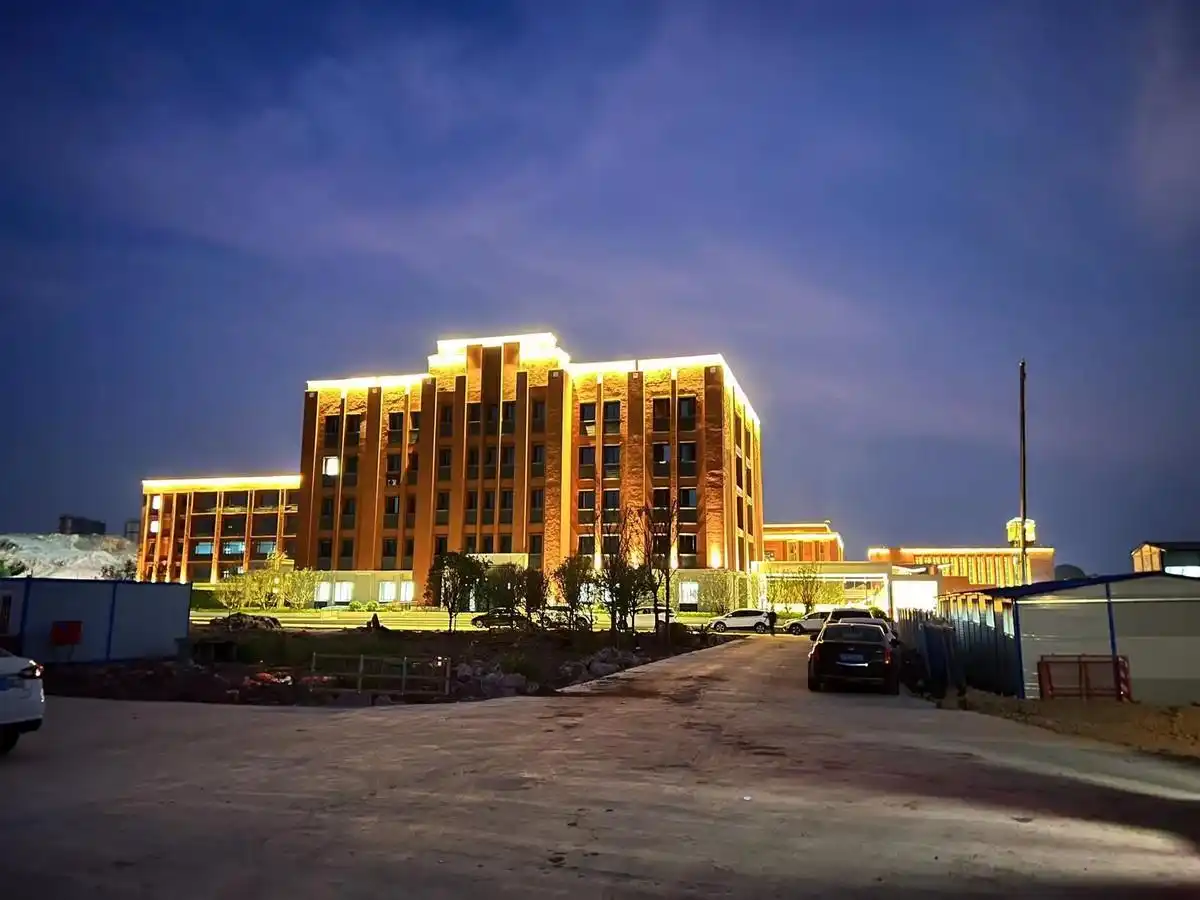
Support modern education or community facilities with integrated, remotely managed lighting systems that connect seamlessly to smart city platforms.









Written by Chris Choi, Technical Sales Manager at MVS Lighting, with practical experience supporting overseas buyers on LED street lighting projects. Street light pole height
Written by Chris Choi, Technical Sales Manager at MVS Lighting, with practical experience supporting overseas buyers on LED street lighting projects. In practice, most people
Written by Chris Choi, Technical Sales Manager at MVS Lighting, with practical experience supporting overseas buyers on LED street lighting projects. Glare complaints about LED
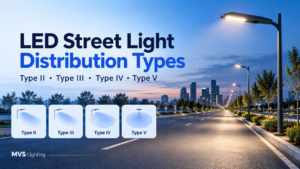
Written by Chris Choi, Technical Sales Manager at MVS Lighting, with practical experience supporting overseas buyers on LED street lighting projects. Pick the wrong distribution
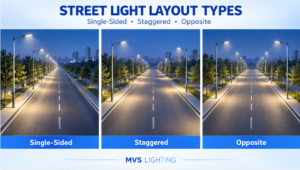
Written by Chris Choi, Technical Sales Manager at MVS Lighting, with practical experience supporting overseas buyers on LED street lighting projects. Fixture selection and pole
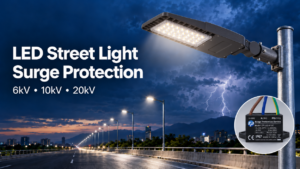
By Chris Choi, Technical Sales Manager at MVS Lighting Street lights sit at the top of an open, exposed electrical network for their entire service