01
Potential Ignition Sources
Where flammable gases, vapours or combustible dust may be present, unsuitable electrical equipment can create an ignition risk through sparks or excessive surface temperature.

Chemical storage facilities require lighting selected according to the stored substances, corrosive exposure and the hazardous-area classification of each installation zone.
MVS reviews the operating environment, mounting conditions and project requirements before recommending a lighting configuration. Where flammable gases, vapours or combustible dust may be present, the required explosion-protection standard must be confirmed before fixture selection.
Chemical storage conditions can affect fixture safety, materials and long-term performance. The main risk depends on the substances stored and how the facility is classified.
Where flammable gases, vapours or combustible dust may be present, unsuitable electrical equipment can create an ignition risk through sparks or excessive surface temperature.
Chemical vapours may attack housings, fasteners, protective coatings, cable entries and internal connections, especially during continuous or repeated exposure.
Cleaning procedures, condensation and humid air can expose fixtures to moisture. Weak seals may allow contamination to reach optical and electrical components.
Restricted areas and controlled operating procedures can make fixture maintenance more complex, increasing the importance of suitable materials and dependable component selection.
Some facilities primarily require corrosion-resistant industrial lighting, while classified hazardous areas require appropriately certified explosion-protected equipment. The site classification must be confirmed before product selection.
Chemical storage lighting cannot be selected from room size and wattage alone. The correct process starts with the hazardous-area classification and the substances present at the site.
Confirm whether flammable gas, vapour or combustible dust may be present and identify the required zone, equipment category and local compliance standard.
Housing materials, fasteners and protective finishes should be selected according to the chemical substances and the expected concentration and duration of exposure.
Fixture joints, gaskets and cable-entry points must account for vapour, humidity, condensation and any facility wash-down or cleaning procedures.
Beam distribution, installation height and lighting controls are matched to aisles, storage racks and working areas while remaining compatible with the site classification.
For areas without an explosive-atmosphere classification, suitable industrial lighting can be configured around corrosion, moisture, installation height and required illumination.
Where an explosive atmosphere may occur, the fixture and all related electrical equipment must carry certification appropriate to the specified zone and local regulations.
The lighting requirements change with the stored materials, ventilation, facility layout and hazardous-area classification. Each zone should be assessed separately.
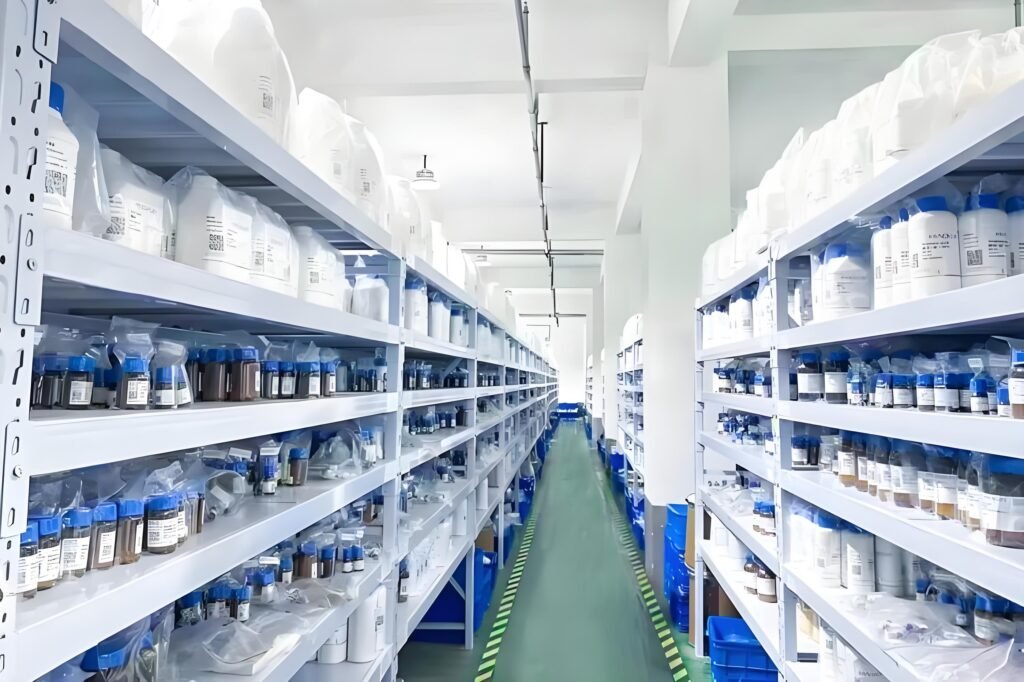
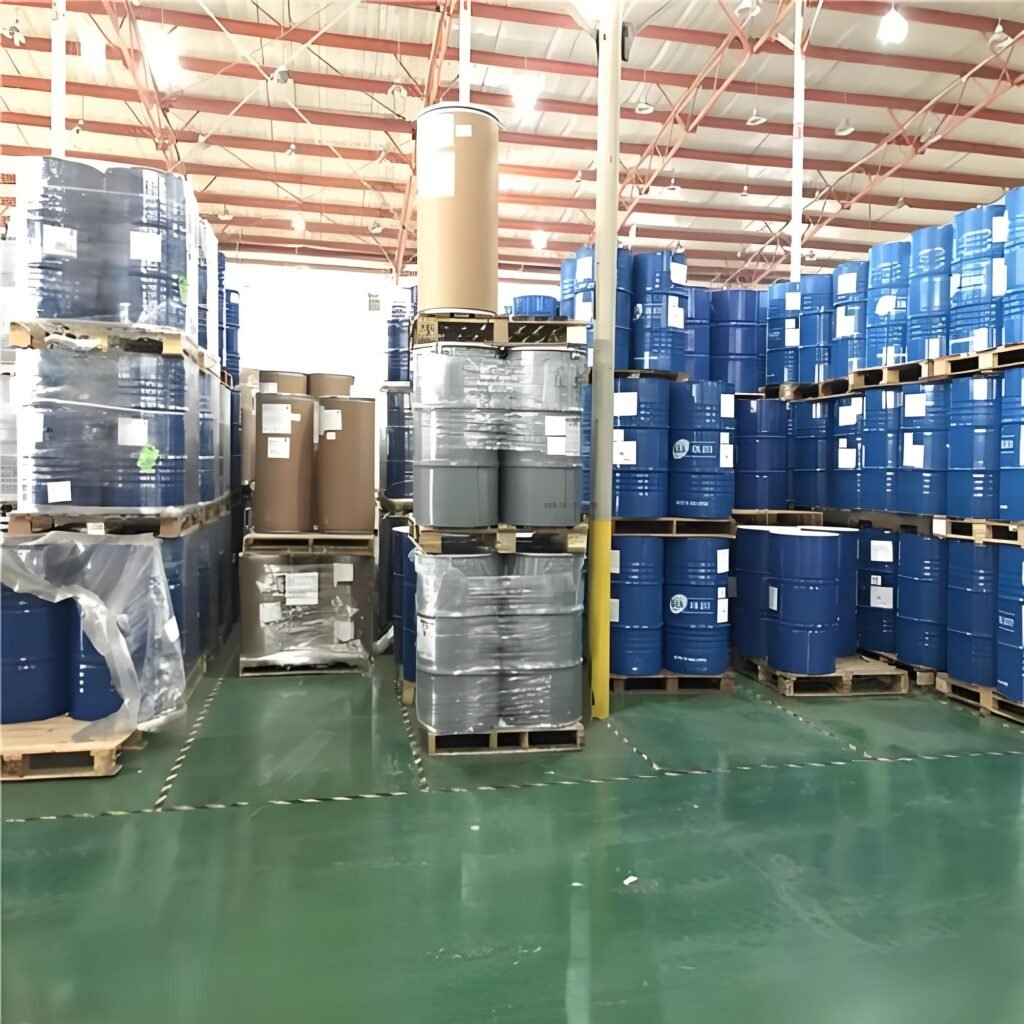
Storage aisles, shelving areas and handling zones where fixture materials may be exposed to chemical vapours, humidity or accidental contamination.
Facilities storing volatile liquids require careful review of ventilation, ignition risk and the applicable hazardous-area classification.
Controlled storage rooms may require stable illumination, suitable material protection and lighting compatible with cleaning and inspection procedures.
Pesticide, fertilizer and related storage areas may expose fixtures to corrosive substances, airborne particles and moisture during handling.
Raw-material and battery storage areas require lighting selected according to the specific substances, ventilation conditions and facility safety assessment.
Drum handling, loading and transfer areas need clear visibility while accounting for possible spills, vapour exposure and vehicle movement.
Project note: Different rooms within the same facility may have different risk classifications. Fixture selection should follow the documented requirements for each individual zone.
The facility safety assessment determines which type of lighting can be considered. Product wattage, optics and controls should only be selected after the installation zone is confirmed.
Key questions for project buyers evaluating lighting for chemical warehouses, controlled storage rooms and classified hazardous areas.
If flammable gases, vapours or combustible dust can form an explosive atmosphere, electrical equipment may become an ignition source. Lighting used in that area must have a protection method and certification suitable for the documented hazardous-zone classification.
ATEX, IECEx or another locally required certification may apply, depending on the destination country and project specification. Buyers should confirm the zone, gas or dust group, temperature class and accepted certification system before ordering.
No. An IP rating describes protection against particle and water ingress, but it does not by itself confirm chemical resistance or explosion protection. Housing materials, coatings, seals and any required hazardous-area certification must be evaluated separately.
DALI, 0–10V or sensor-based control may be considered where the facility design and area classification allow it. All control equipment, wiring and accessories installed within a classified zone must meet the applicable safety requirements.
Provide the stored chemical type, safety data, hazardous-area classification, installation height, required illumination, ambient conditions and destination-market requirements before requesting a lighting recommendation.
MVS Lighting
Professional LED Outdoor Lighting Supplier
Reply within 2 hours
Need LED lighting for your project?
WhatsApp Us
Online | Privacy policy
Get Quote on WhatsApp