Timmer Control Light System

Automate streetlight on/off schedules with precision using seasonal and astronomical time control. Our system not only reduces unnecessary energy consumption but also extends the service life of lamps by avoiding over-operation. With optional hybrid photocell integration and remote programming capability, procurement teams gain flexible, tender-ready solutions that simplify cabinet-level operations, cut O&M costs, and ensure compliance with modern smart-city standards—all backed by industrial-grade hardware and a reliable 5-year warranty.

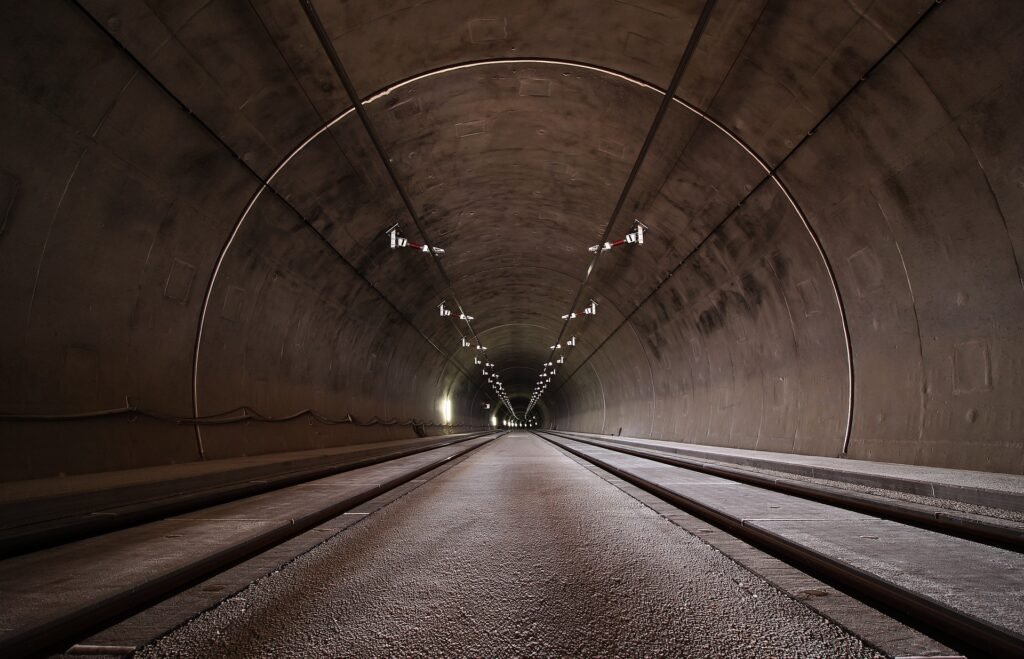
LED tunnel lighting project with evenly spaced ceiling-mounted fixtures
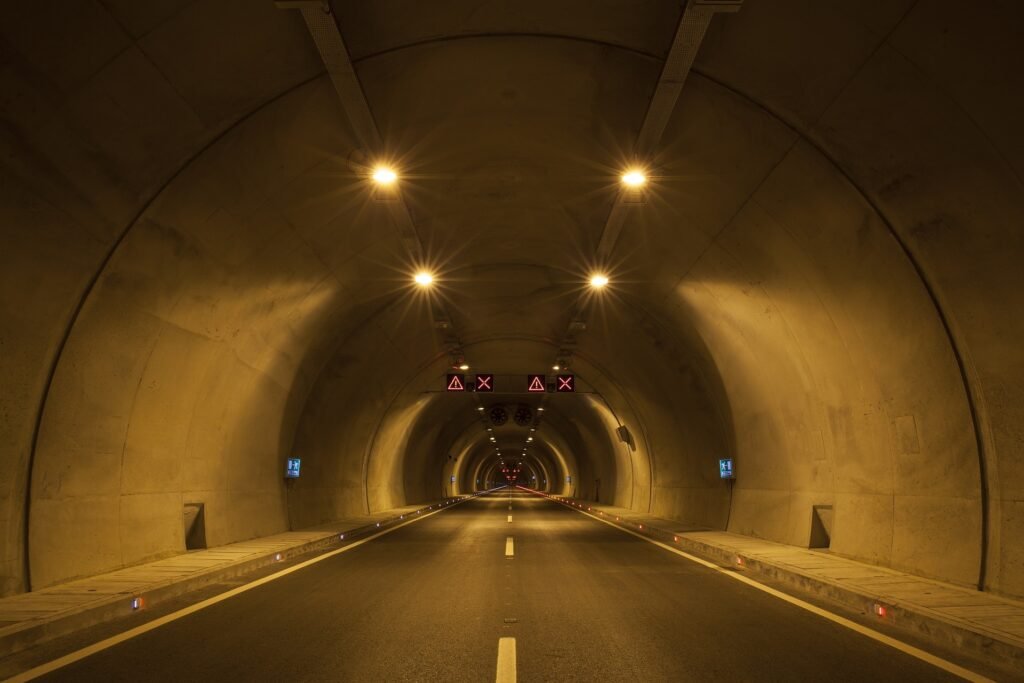
Road tunnel illuminated by warm-white LED tunnel lights

What the Timer-Control System Does

The timer-control lighting system is designed to switch street lights on and off automatically according to preset schedules. Unlike manual operation, it ensures a consistent, predictable lighting cycle throughout the year. Advanced systems integrate astronomical time switches that adjust daily based on sunrise and sunset, and can also combine with photocell sensors to respond to sudden weather changes.

By eliminating guesswork and human error, the system provides reliable illumination for roads, highways, and public spaces while lowering energy costs and reducing maintenance workload. It is a practical and proven solution for municipalities and industrial parks looking to modernize their outdoor lighting infrastructure.

System Architecture

Modular cabinet-level design with controller, timer/astronomical module, power & contactors, and optional expansions for remote monitoring.

Controller

Microcontroller/PLC executes schedules and handles inputs/outputs.

  • • RTC with backup
  • • Local/remote override
  • • Alarm relay output

Timer / Astronomical Module

Daily/weekly/seasonal programs; auto sunrise/sunset by latitude/longitude.

  • • DST auto-adjust
  • • ±2 ppm accuracy
  • • Holiday/event calendar

Power & Relays/Contactors

Switch feeder circuits and lamp groups with proper electrical protection.

  • • 30–100 A options
  • • Surge/SPD & MCB
  • • Multiple branch outputs

Optional Expansions

Enhance flexibility with sensors and connectivity for remote operations.

  • • Photocell validation
  • • 4G / NB-IoT gateway
  • • Modbus / DALI / 0–10V bridge

How Scheduling Operates

The timer-control system follows a clear and reliable workflow to manage lighting schedules:

  • Time Profiles – Users can pre-program daily, weekly, or seasonal on/off schedules according to local requirements.

  • Astronomical Mode – Advanced controllers automatically calculate sunrise and sunset times using latitude and longitude, ensuring precise switching throughout the year without manual adjustments.

  • Hybrid Mode – For greater flexibility, a photocell input can be combined with timer control. This ensures lights switch on earlier during cloudy or stormy weather, while still respecting the preset time window.

  • Manual & Remote Overrides – In case of emergencies, festivals, or special events, operators can easily override schedules locally or via remote access, ensuring that lighting adapts instantly to real-world needs.

This scheduling logic guarantees predictable illumination, energy savings, and reduced manpower costs, while still providing the adaptability required for modern urban environments.

Controller Options

To meet different project budgets and management requirements, MVS provides several types of timer-control street lighting controllers:

Basic Time Controller (Cabinet-Mount)

Simple electronic or mechanical timer for fixed daily schedules. Low investment, easy to operate, but requires seasonal manual adjustment.

Astronomical Time Switch

Automatically calculates sunrise and sunset times based on geographical coordinates. Eliminates manual changes, suitable for cities with significant seasonal daylight variations.

Hybrid Timer + Photocell

Combines scheduled switching with photocell input. Ensures reliable operation even under unusual weather conditions, providing greater flexibility than pure timer solutions.

Smart Time Controller (Cloud-Connected)

Advanced solution with remote programming via app or web platform. Supports group control for different roads or districts, data reporting (voltage, current, failure alarms), and seamless integration into smart city systems.

Each option is built on industrial-grade components and can be customized for cabinet or pole-top installation, giving procurement officers flexibility to choose the best balance of cost, functionality, and scalability.

Key Features & Spec Comparison

Compare controller options to choose the optimal balance of cost and capability.

Feature / Spec Basic Time Astronomical Hybrid (Timer+Photocell) Smart (Cloud)
Power Supply (VAC) 110–277 110–277 110–277 110–277
Contactor Rating 30–63 A 30–63 A 30–100 A 30–100 A
RTC Accuracy ±20 ppm ±5 ppm ±5 ppm ≤ ±2 ppm + NTP
Schedules Capacity 10–20 events 30–50 events 30–50 events ≥ 50 events + holidays
Astronomical Calc (Lat/Long) — ✓ ✓ ✓ + offset/DST
Photocell Validation — ◐ (optional) ✓ ✓ + thresholds
Remote Programming — (local only) — (local only) ◐ (gateway) ✓ (App/Web)
Group / Zone Control — — ◐ (multi-branch) ✓
Telemetry & Alarms — — ◐ (gateway) ✓ (4G/NB-IoT/Modbus)
Overrides (Manual/Remote) Manual Manual Manual + ◐ Remote Manual + Remote
Protections (SPD/MCB) 6 kV + MCB 6 kV + MCB 6–10 kV + MCB 6–10 kV + MCB
Enclosure Rating IP54–IP65 IP54–IP65 IP65–IP66 IP65–IP66
Operating Temp -20 ~ +60 °C -30 ~ +65 °C -40 ~ +70 °C -40 ~ +70 °C
Typical Use Small roads / fixed Cities w/ seasons Weather-prone areas City-wide & tendered
Legend: ✓ Supported  — Not available  ◐ Optional / with gateway
Frequently Asked Questions

Timer Light Control FAQ

These answers cover the main controller-selection, scheduling and outdoor-installation questions for timer-controlled lighting projects.

What is astronomical timer control?

An astronomical timer calculates local sunrise and sunset times from the project’s latitude, longitude and date. It adjusts the switching schedule automatically throughout the year without requiring frequent seasonal reprogramming.

How is a hybrid timer different from a basic timer?

A basic timer follows a fixed programmed schedule. A hybrid system combines that schedule with a photocell or other sensor, allowing the lights to respond to unusually dark conditions while retaining the planned operating period.

Can timer-controlled lights be programmed remotely?

Yes, when the controller includes a compatible communication module and management platform. Basic and standalone astronomical timers are normally programmed locally, while connected controllers can support remote schedule changes and operating-status monitoring.

What protection rating suits an outdoor timer controller?

The required rating depends on the installation location. Cabinet-mounted equipment may rely on the cabinet’s protection, while exposed pole-mounted controllers generally require IP65 or higher. The final selection should follow the project environment and enclosure design.

Can one timer control different lighting zones?

Yes. Controllers with multiple outputs or connected management functions can assign different schedules to roads, parking areas, landscape zones or industrial sections. The number of zones depends on the controller, contactor arrangement and system architecture.

What happens if the controller loses network access?

A properly configured controller should continue running its stored local schedule if the remote connection is interrupted. Cloud monitoring and remote changes will resume after communication is restored, subject to the selected controller’s capabilities.

Ask For A Quick Quote

We will contact you within 1 working day, please pay attention to the email with the suffix “info@ledmvs.com”.