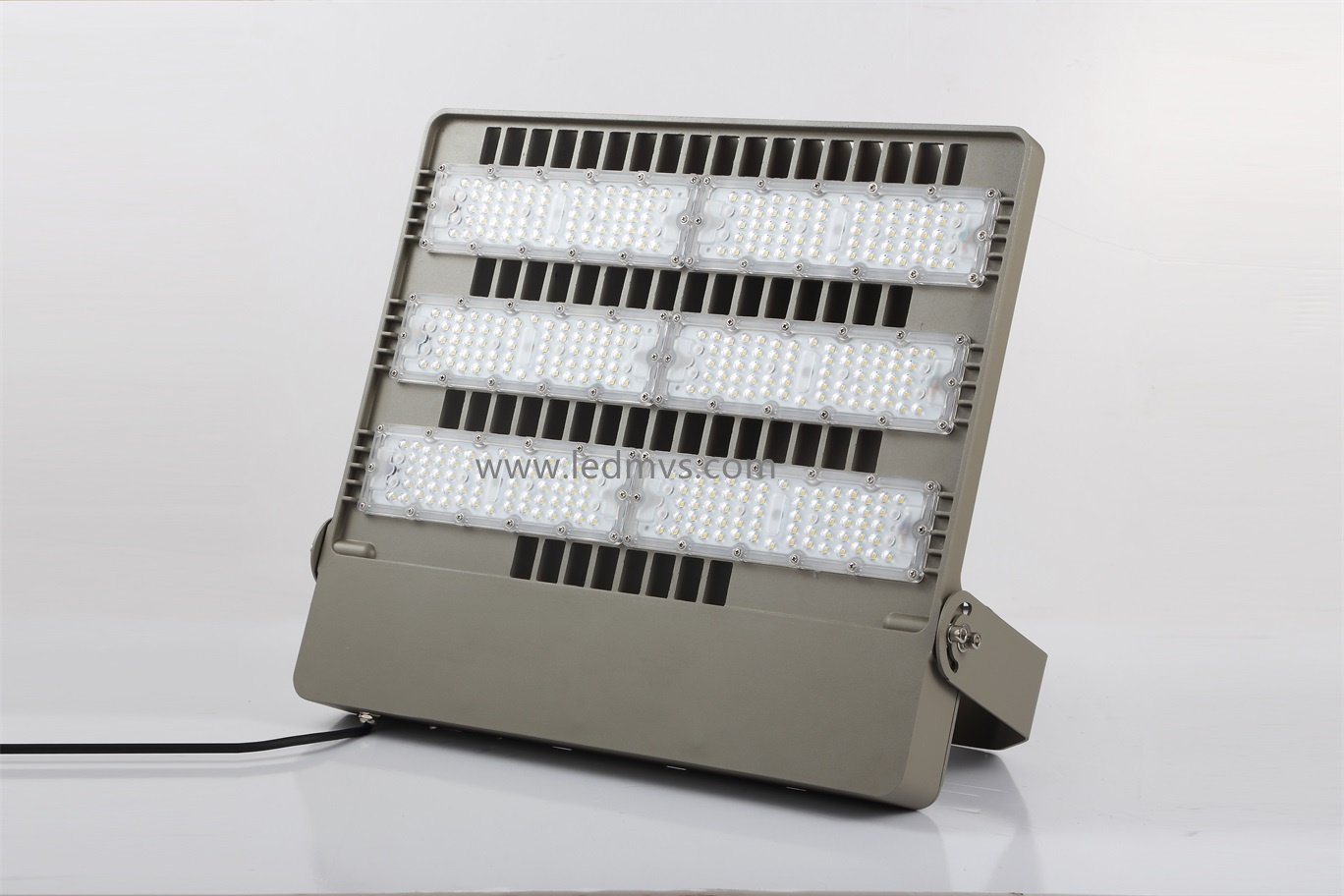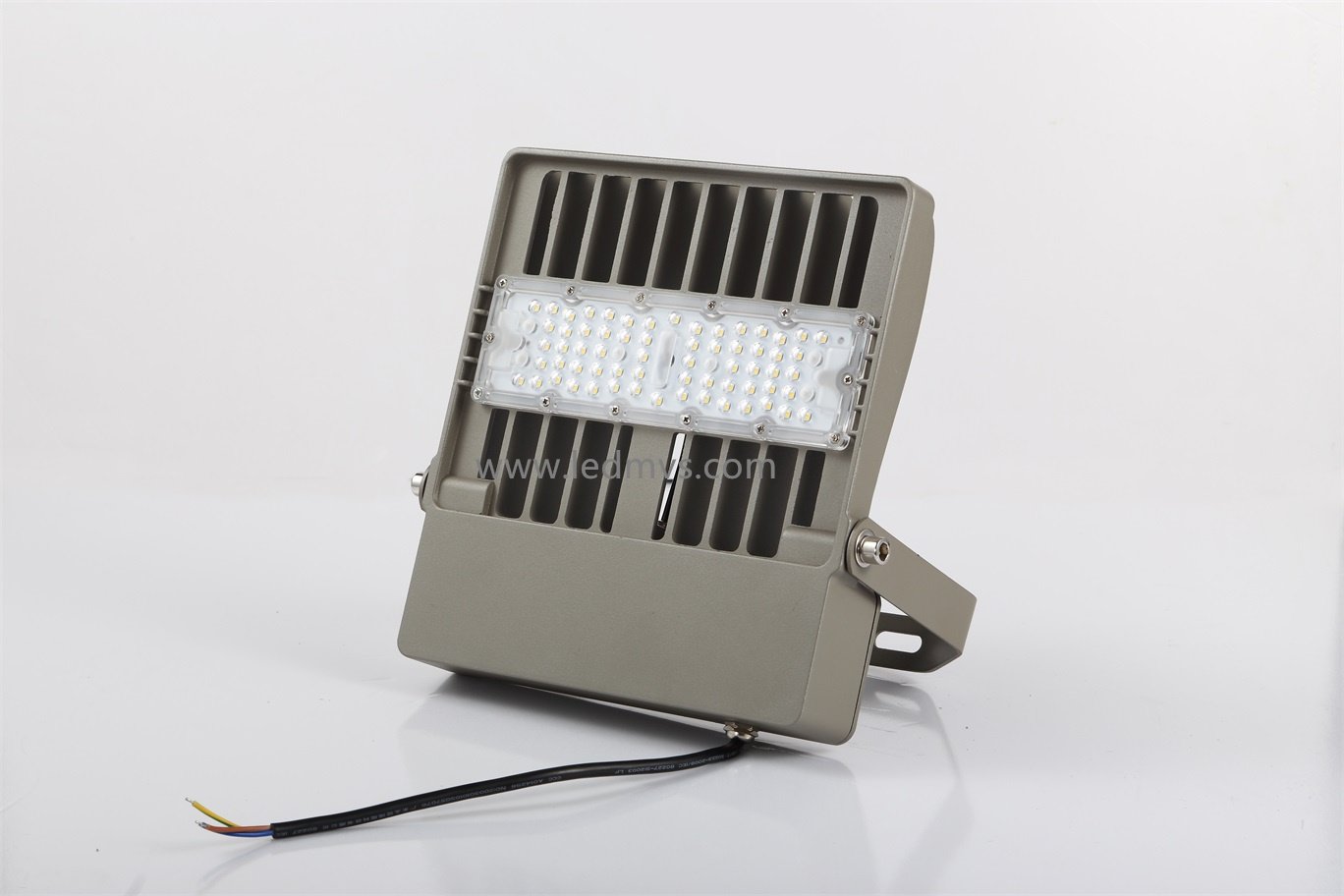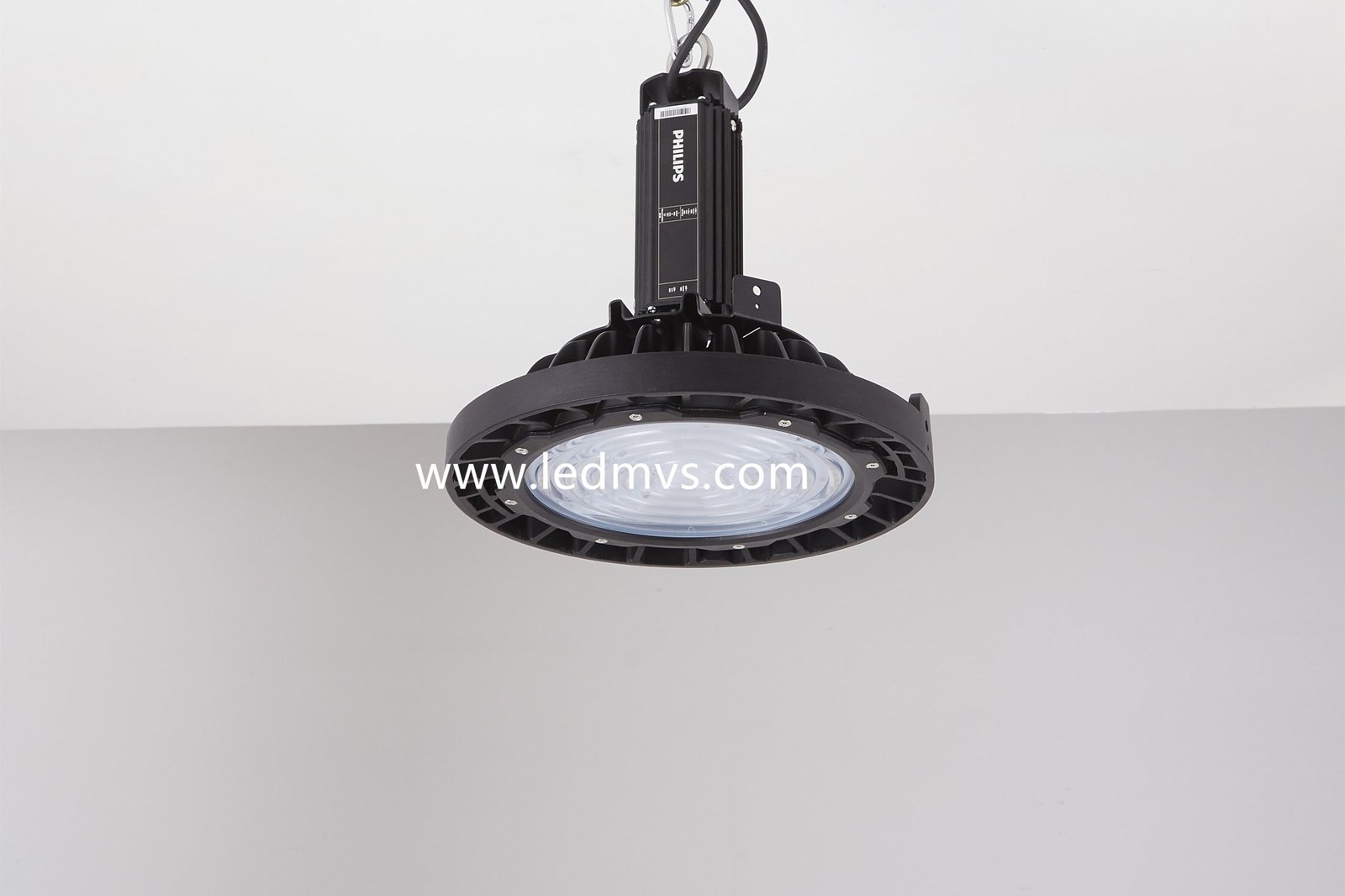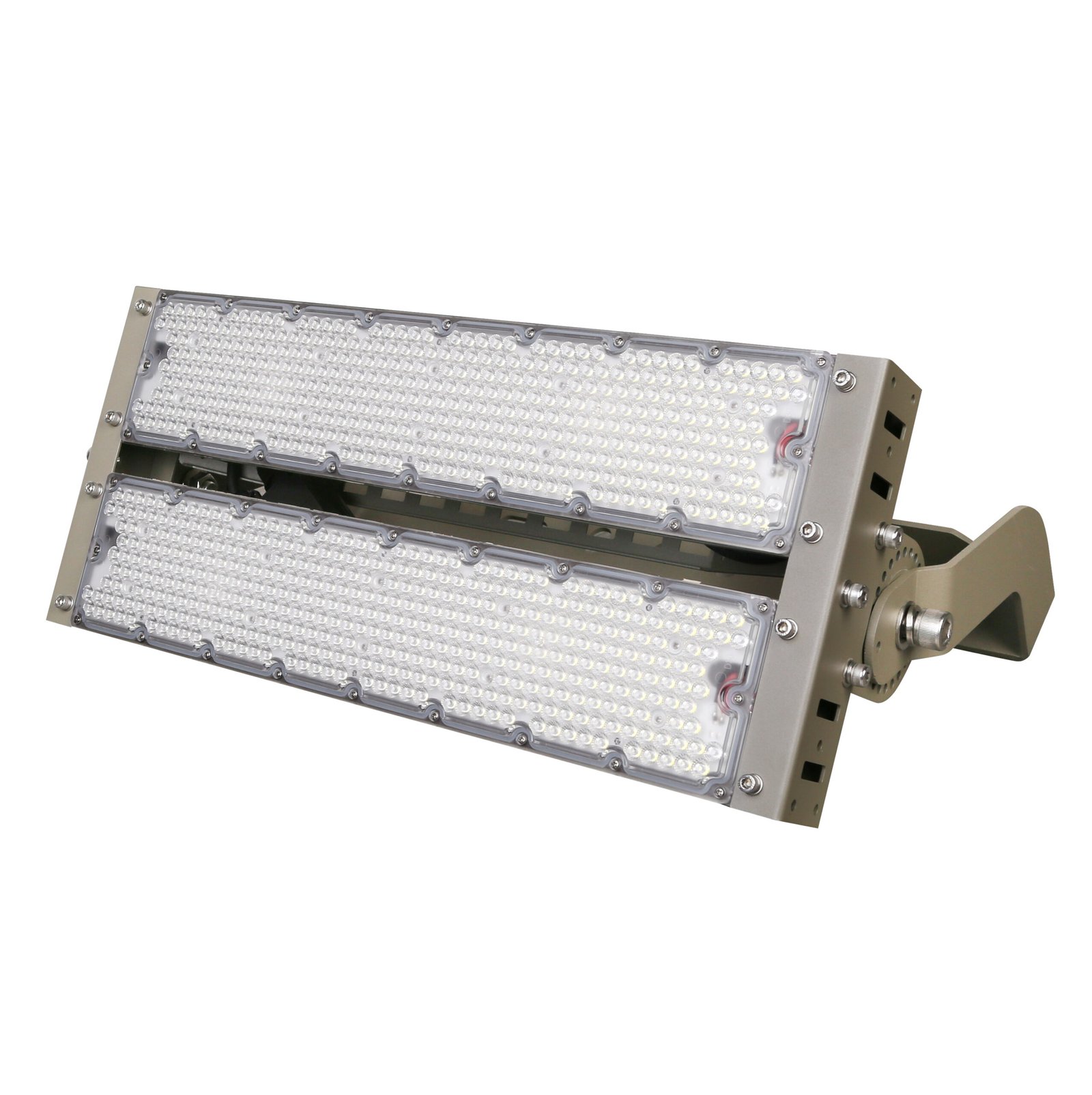
1. What Is LOT LED Streetlight?
LOT (Lighting of Things) represents the new generation of smart lighting systems that connect every streetlight into the Internet of Things (IoT) ecosystem.
Unlike traditional lighting, LOT LED streetlight integrates controllers, sensors, gateways, and cloud platforms, enabling centralized management, data analytics, and intelligent automation.
LOT is not a single communication technology — it’s a comprehensive IoT lighting framework that can include ZigBee, LoRa, NB-IoT, Bluetooth, and DALI protocols, all working together within one unified management platform.
2. How LOT LED Streetlight Works
A typical LOT streetlight system operates through four interconnected layers:
Perception Layer:
Comprises LED lamps, smart controllers, sensors, and communication modules that collect lighting and environmental data.
Network Layer:
Transfers all collected data using one or multiple IoT communication technologies (ZigBee, LoRa, NB-IoT, or Bluetooth).
Cloud Platform Layer:
Acts as the “brain” of the system — responsible for data processing, storage, analytics, and decision-making.
Application Layer:
Provides visualization dashboards and mobile apps that allow users to monitor, control, and optimize every lamp in real time.
This multi-layer structure ensures that every streetlight becomes an intelligent node in the city’s digital infrastructure.
3. Key Technical Features
Multi-Protocol Compatibility:
Supports multiple communication methods for flexible deployment in different project scales and environments.
Centralized Cloud Control:
Manage thousands of lamps remotely through a single platform, reducing on-site labor.
Data Analytics and Reports:
Monitor energy consumption, brightness levels, and maintenance data for decision support.
Integration with Smart City Systems:
LOT networks can connect seamlessly to urban management, traffic, and security platforms.
Scalable and Modular Design:
Easily expand from a single area to a city-wide lighting network.
Energy Efficiency and Automation:
Intelligent dimming and scheduling enable up to 45% energy savings.
4. Comparison: LOT vs Traditional IoT Lighting Systems
| Aspect | LOT LED Streetlight | Conventional IoT Streetlight |
|---|
| Communication Protocols | Multi-protocol (ZigBee, LoRa, NB-IoT, etc.) | Usually single protocol |
| System Integration | Unified cloud platform for all devices | Separate systems for each network |
| Scalability | Modular and cross-protocol | Limited expansion capability |
| Maintenance | Real-time fault alerts and automatic reporting | Manual inspection required |
| Data Management | Centralized cloud database | Distributed, isolated data silos |
| Smart City Compatibility | Fully integrable with other city systems | Often independent and closed |
5. Advantages of LOT LED Streetlight
Unified Management Platform – One dashboard for multiple lighting zones and protocols.
Strong Scalability – From small districts to full smart-city deployments.
Data-Driven Efficiency – Optimize energy usage with intelligent algorithms.
Cross-System Integration – Seamlessly connects with traffic, security, and environmental systems.
Reduced Maintenance Costs – Faults automatically reported to the platform for faster repair.
Future-Proof Design – Supports both current and emerging IoT communication standards.
6. Summary
LOT LED streetlight represents the evolution from traditional IoT lighting to a fully interconnected, intelligent lighting ecosystem.
It enables cities and enterprises to manage lighting systems centrally, efficiently, and sustainably, making it an essential foundation for the next generation of smart city infrastructure.