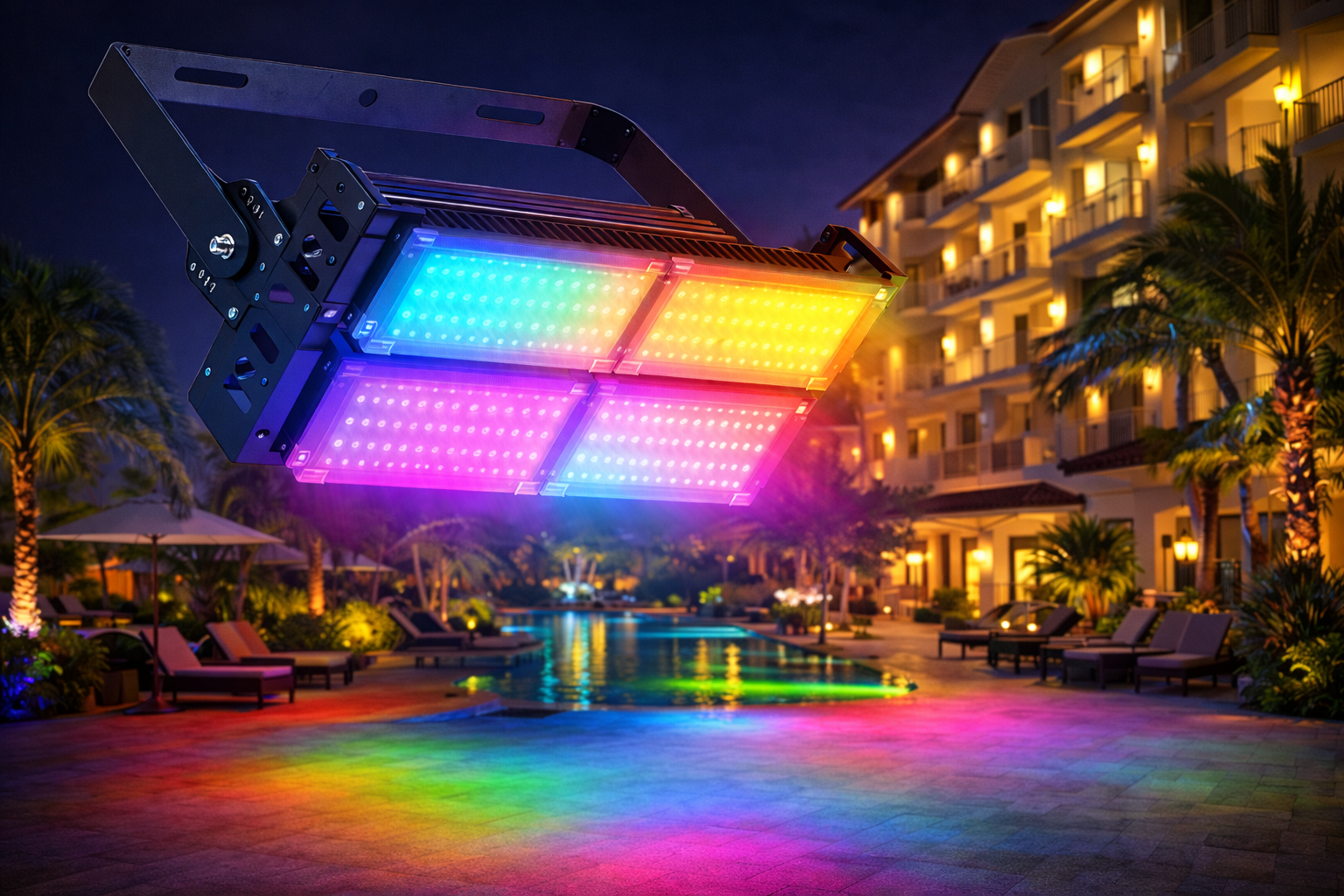
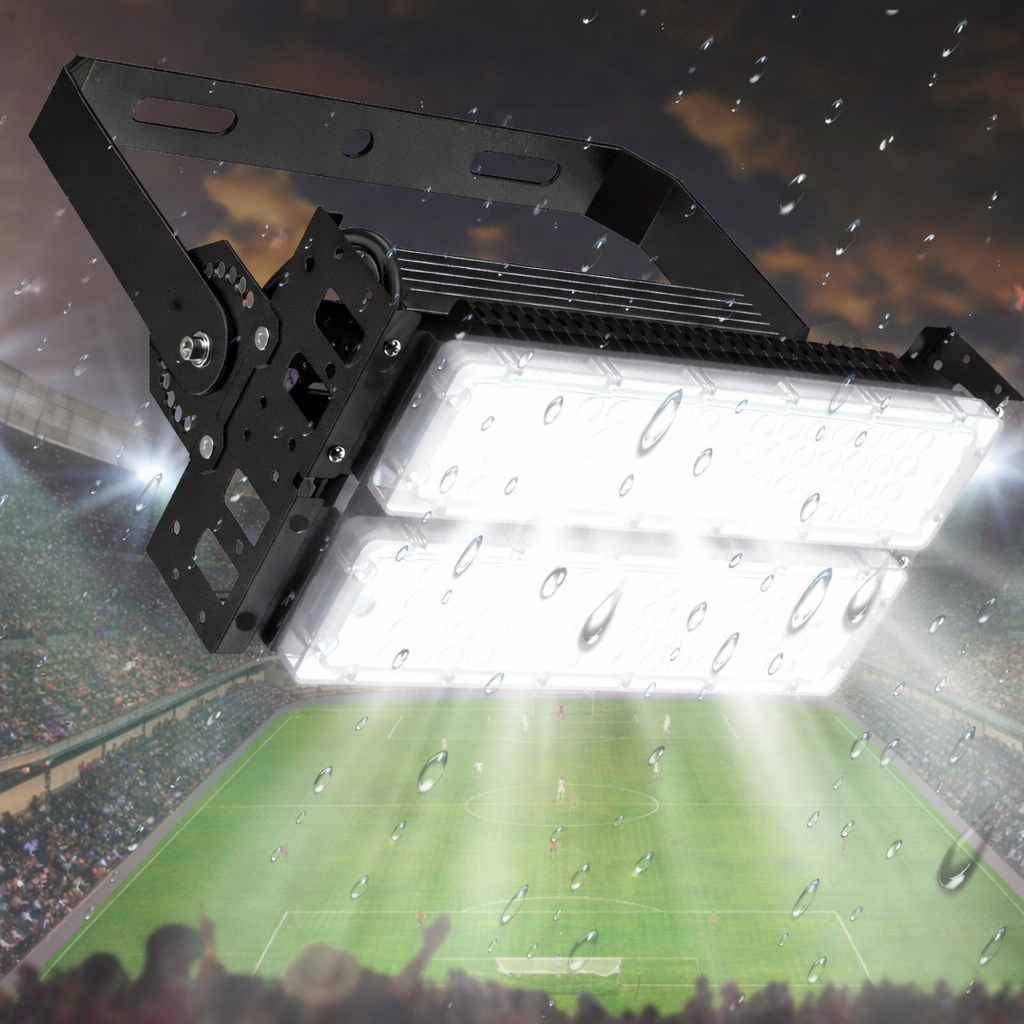
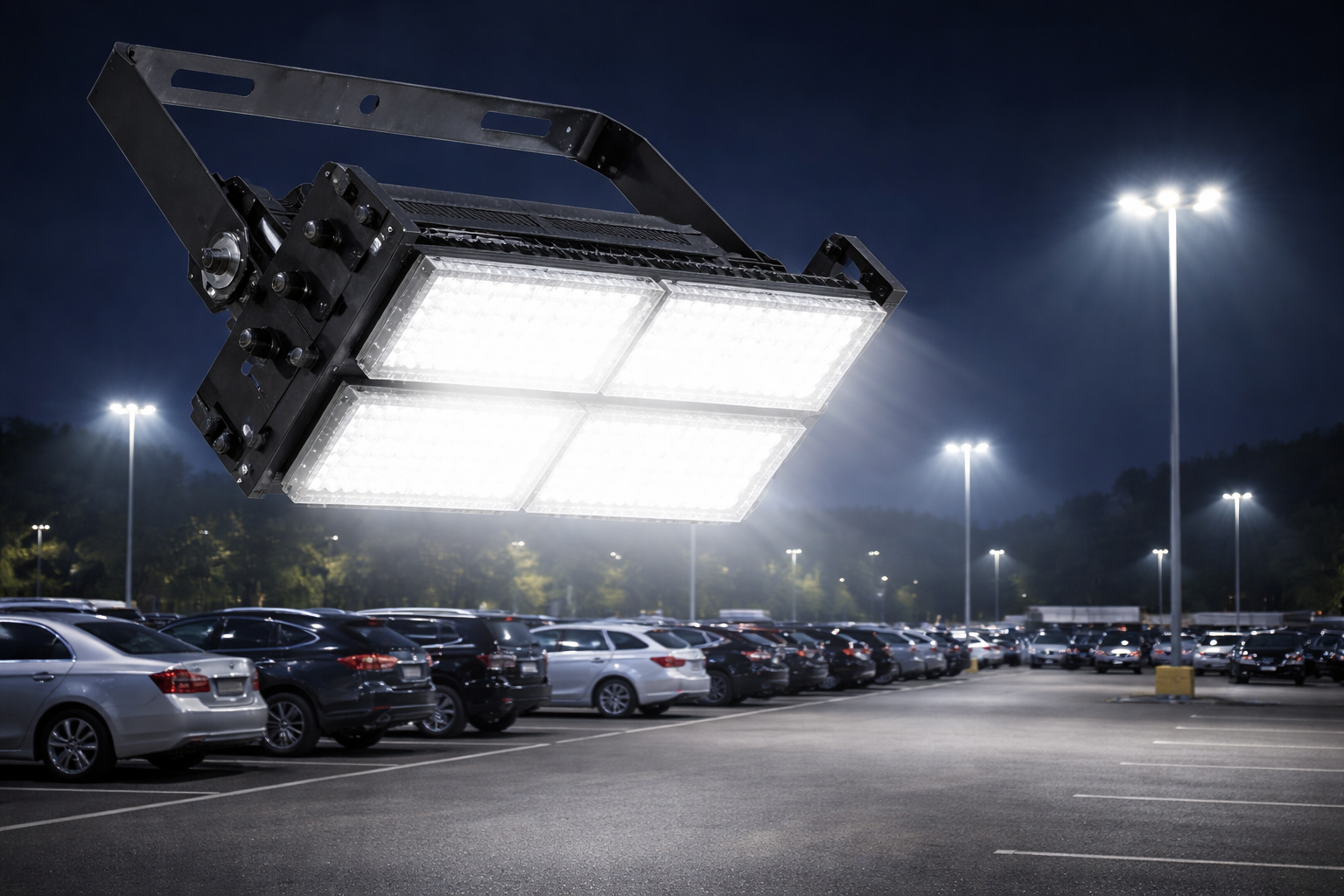
Smart LED floodlights combine high-power LED illumination with intelligent control technologies, enabling precise lighting management for outdoor and large-scale projects.
Unlike traditional floodlights, smart LED floodlights support dimming, scheduling, remote monitoring, and system integration, helping project owners improve energy efficiency, reduce maintenance costs, and achieve centralized lighting control across different application scenarios.
Smart LED floodlights support multiple control technologies to meet different project requirements in terms of system scale, control accuracy, and management complexity.
By selecting the appropriate control method, lighting systems can achieve precise dimming, automated operation, remote management, and seamless integration with existing infrastructure.
Common control solutions range from simple analog dimming to advanced digital and wireless control systems, allowing smart LED floodlights to be applied in municipal lighting, industrial facilities, sports venues, and architectural lighting projects.
The following control types are commonly used in smart LED floodlight projects, each designed for specific applications and power ranges.
Smart LED floodlights help reduce energy consumption through precise dimming, scheduling, and adaptive lighting control, especially in large-scale outdoor projects.
Centralized control enables project owners and operators to monitor, adjust, and manage lighting systems efficiently from a single platform.
Compared with traditional floodlights, smart LED floodlights support easier maintenance planning and system expansion, helping reduce operational costs over time.
Smart LED floodlights are widely used in outdoor and large-area lighting projects where flexible control, energy efficiency, and centralized management are required.
By combining high-output illumination with intelligent control systems, smart floodlights can adapt to different operating schedules, environmental conditions, and functional requirements across various applications.
Smart LED floodlights differ from traditional floodlights not only in control methods, but also in system management, energy efficiency, and long-term operational performance.
| Comparison Item | Smart LED Floodlight | Traditional Floodlight |
|---|---|---|
| Control Method | Remote, automated, and centralized control | Manual on/off control |
| Dimming Capability | Precise and programmable dimming | Limited or not available |
| Energy Efficiency | Optimized through intelligent control | Fixed power consumption |
| Maintenance Management | Remote monitoring and fault alerts | On-site inspection only |
| System Scalability | Easy to expand and integrate | Limited scalability |
| Project Suitability | Smart city and large-scale projects | Basic lighting applications |
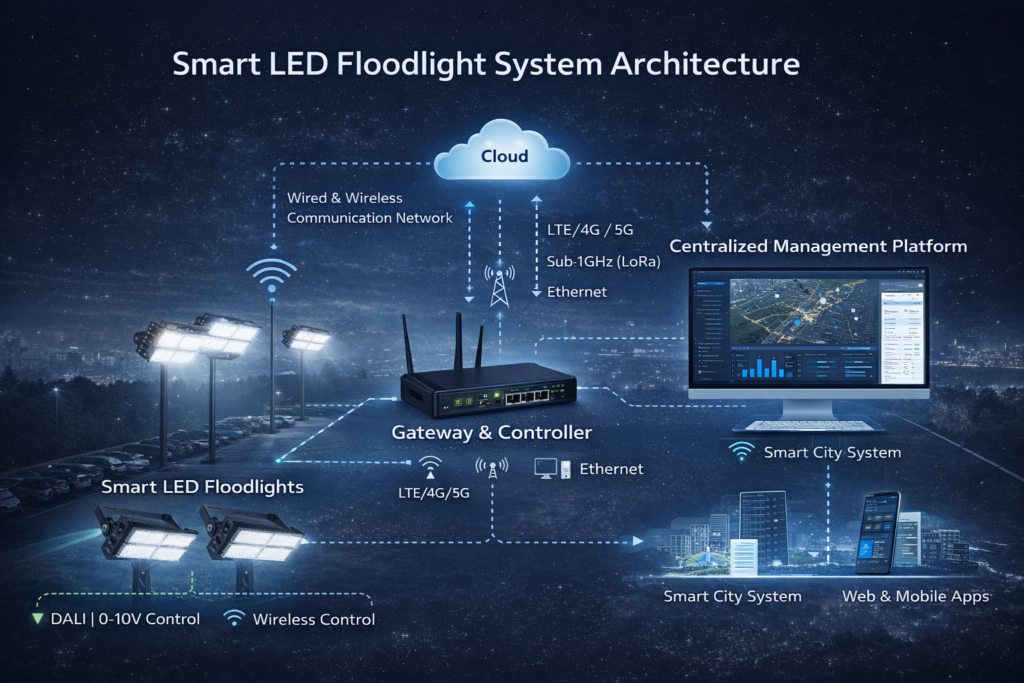
A smart LED floodlight system typically consists of luminaires, control devices, communication networks, and a centralized management platform.
Each component works together to enable reliable lighting operation, flexible control, and efficient system management.
At the luminaire level, smart LED floodlights are equipped with dimmable drivers or integrated control interfaces that support various control protocols.
These luminaires connect to local controllers or gateways, which collect data and transmit control signals through wired or wireless networks.
At the system level, a centralized platform allows operators to monitor lighting status, adjust operating schedules, analyze energy usage, and manage maintenance
across single or multiple project sites, making smart LED floodlight systems suitable for large-scale and smart city applications.
Smart LED floodlights can be customized to meet the specific technical and operational requirements of different projects.
Rather than a one-size-fits-all solution, smart floodlight systems are typically configured based on installation environment, control strategy, and long-term management needs.
Select suitable power levels based on mounting height, area coverage, and target illuminance requirements.
Support different control methods for project needs, including analog, digital, and wireless control solutions.
Configure beam angles and light distribution to match application scenarios and reduce spill light.
Choose brackets and mounting methods based on poles, walls, towers, or existing installation conditions.
Align interfaces and control logic with existing infrastructure for stable, scalable system integration.
By aligning these factors with project conditions, smart LED floodlights can deliver reliable performance, efficient operation, and seamless integration into existing lighting or smart city systems.
We develop smart LED floodlight solutions based on real project and customer requirements,focusing on system compatibility, long-term reliability, and engineering flexibility.
MVS smart LED floodlights are engineered with a luminaire-level intelligent control concept,rather than simply adding control modules to standard fixtures. All control options are validated at the luminaire level to ensure stable communication and precise dimming in real outdoor environments.
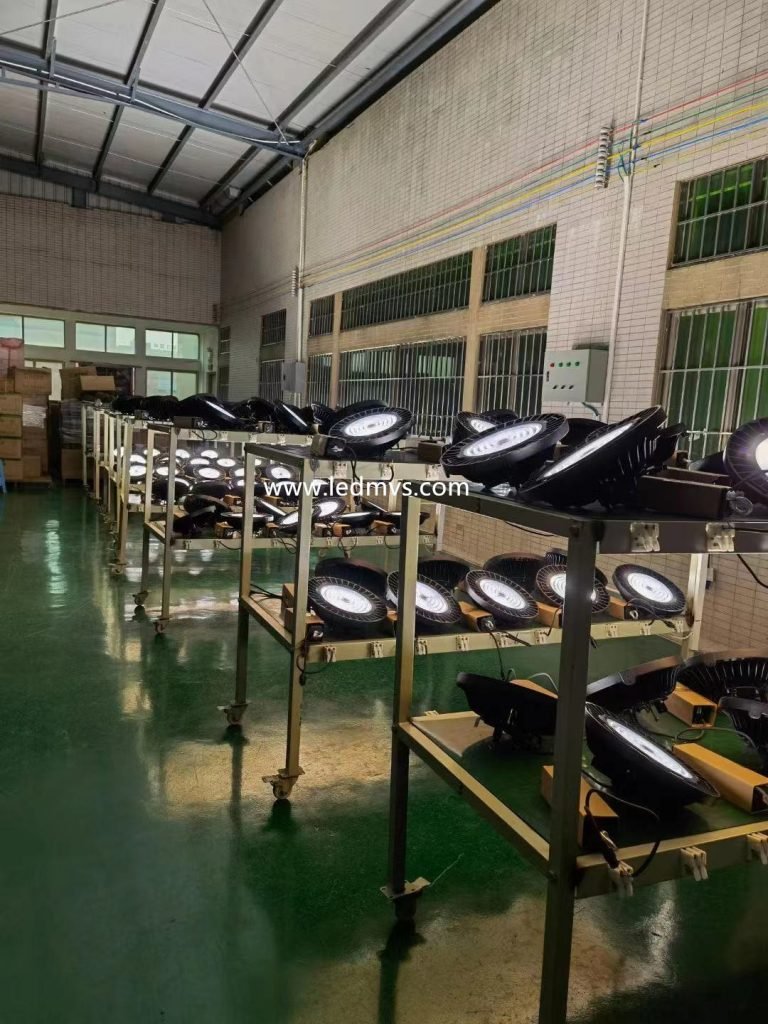
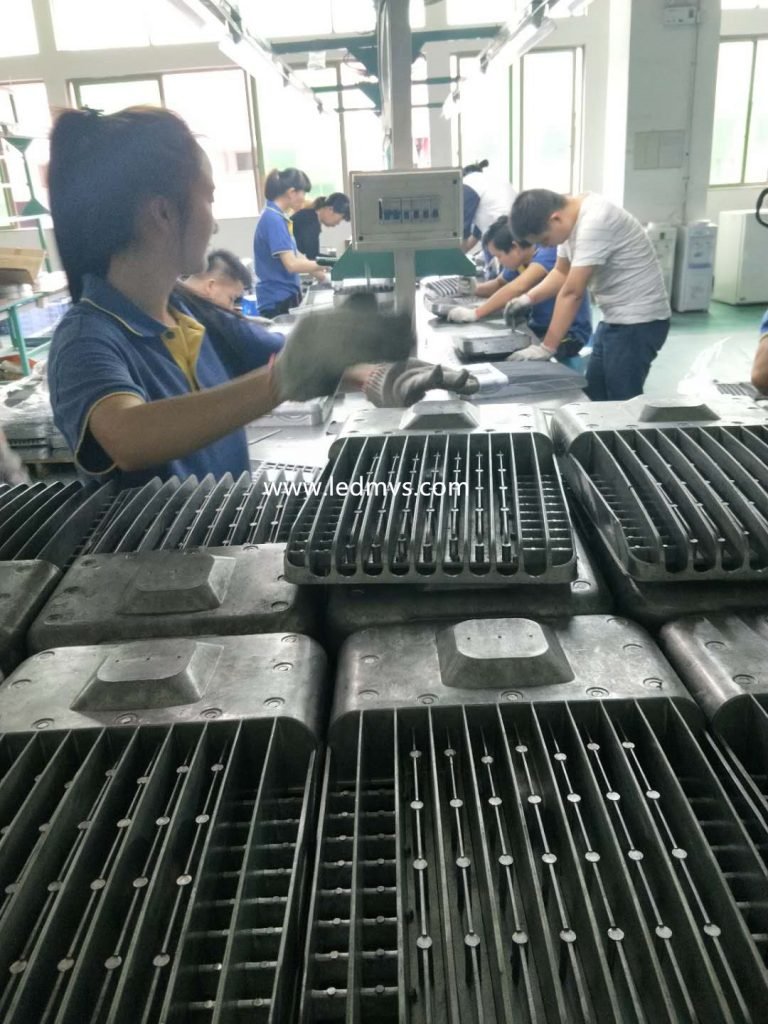
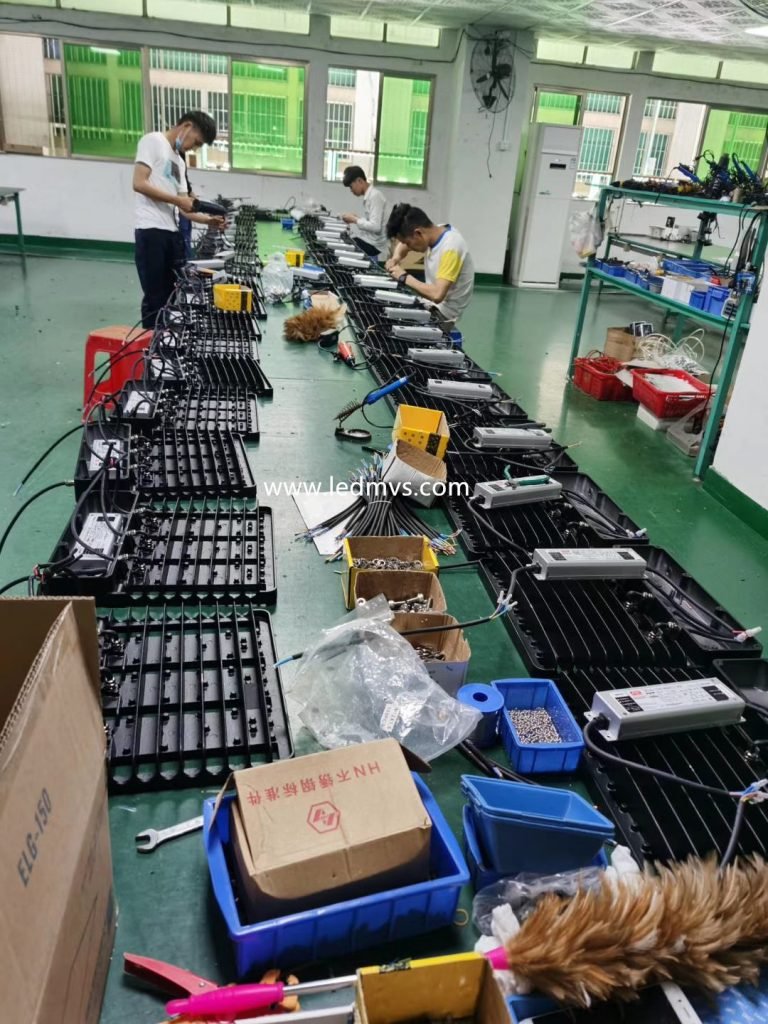
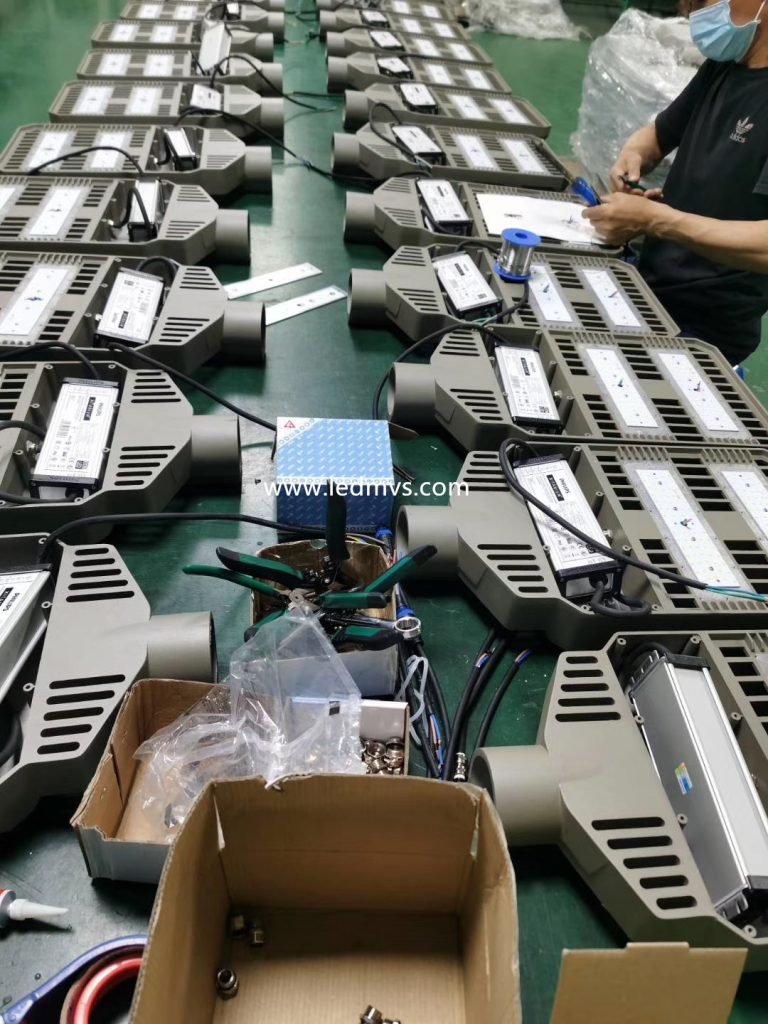
From a manufacturing perspective, we have supplied custom, project-specific components to more than 16 brands. Backed by four production line, each over 10,00 m², and 12 core manufacturing processes, we support both standardized products and highly customized smart LED floodlight solutions.
Intelligent control is integrated into the luminaire design,
ensuring long-term stability instead of temporary control add-ons.
Control logic and interfaces are configured according to actual
project needs, reducing system integration risks.
Experience supplying customized components to multiple brands,
supported by scalable manufacturing capacity.
Compatible with DALI, 0–10V dimming, motion sensors, timer control,
and smart city platforms.
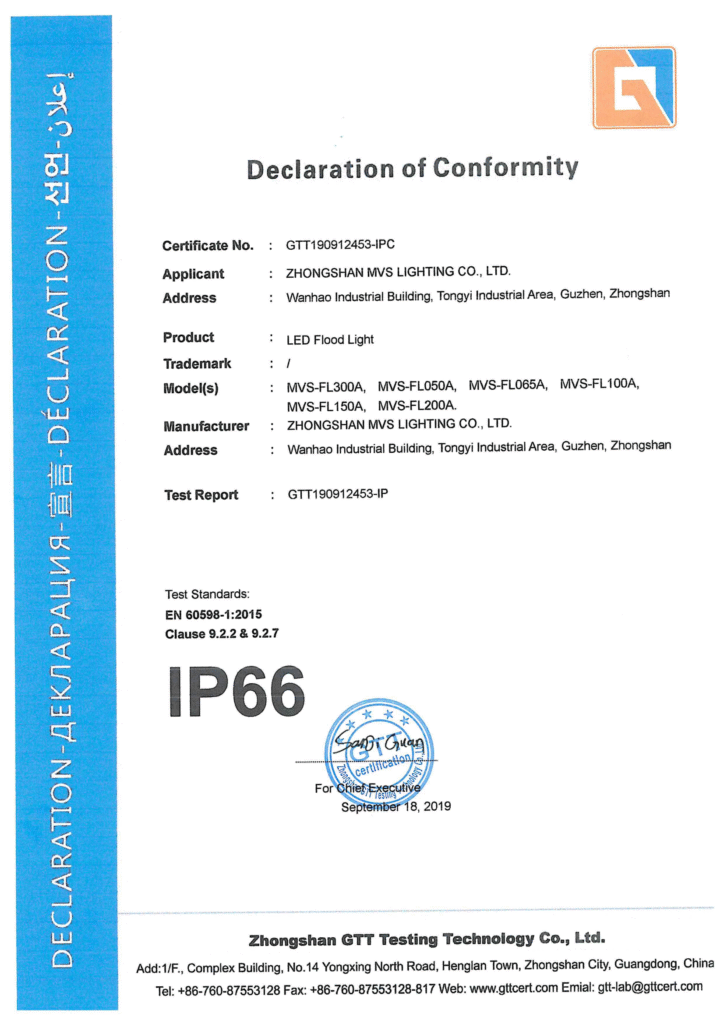
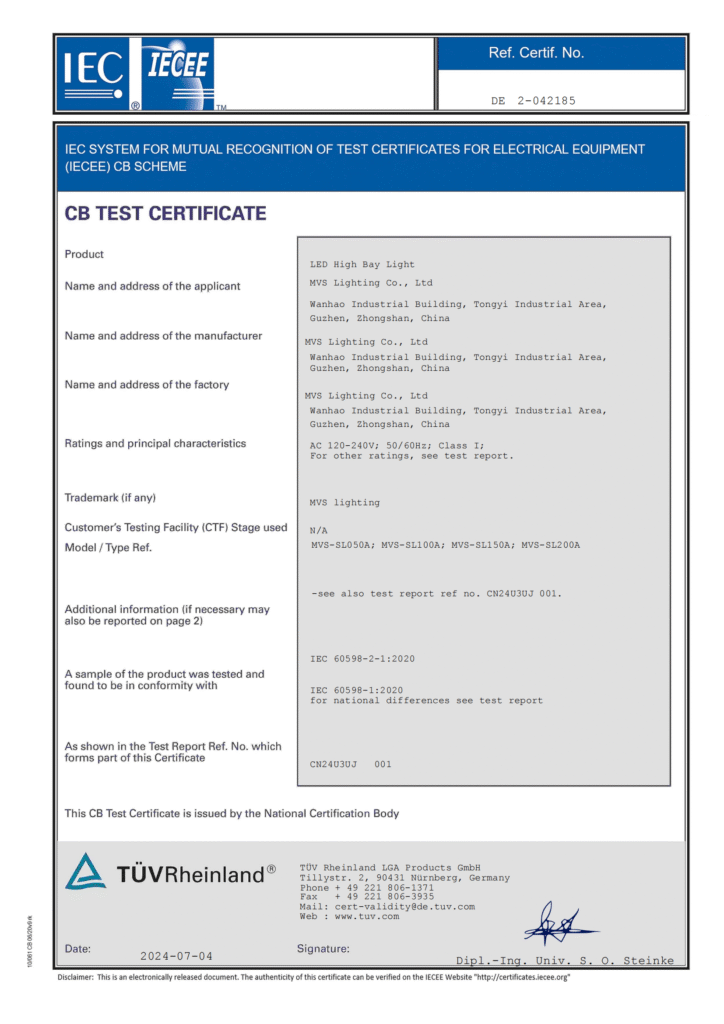
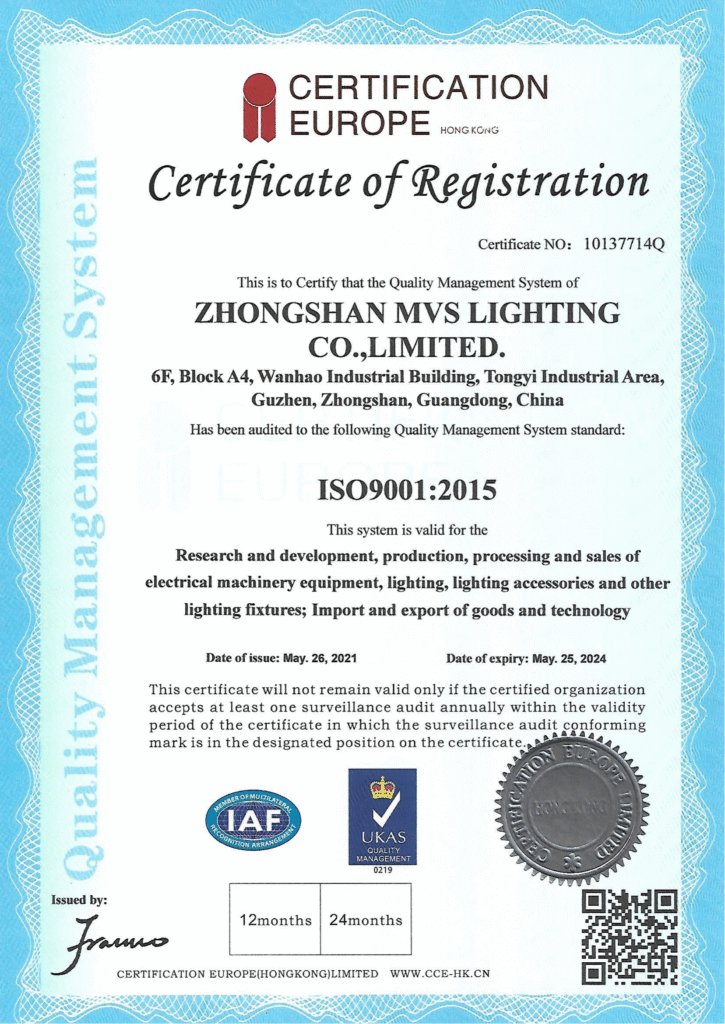
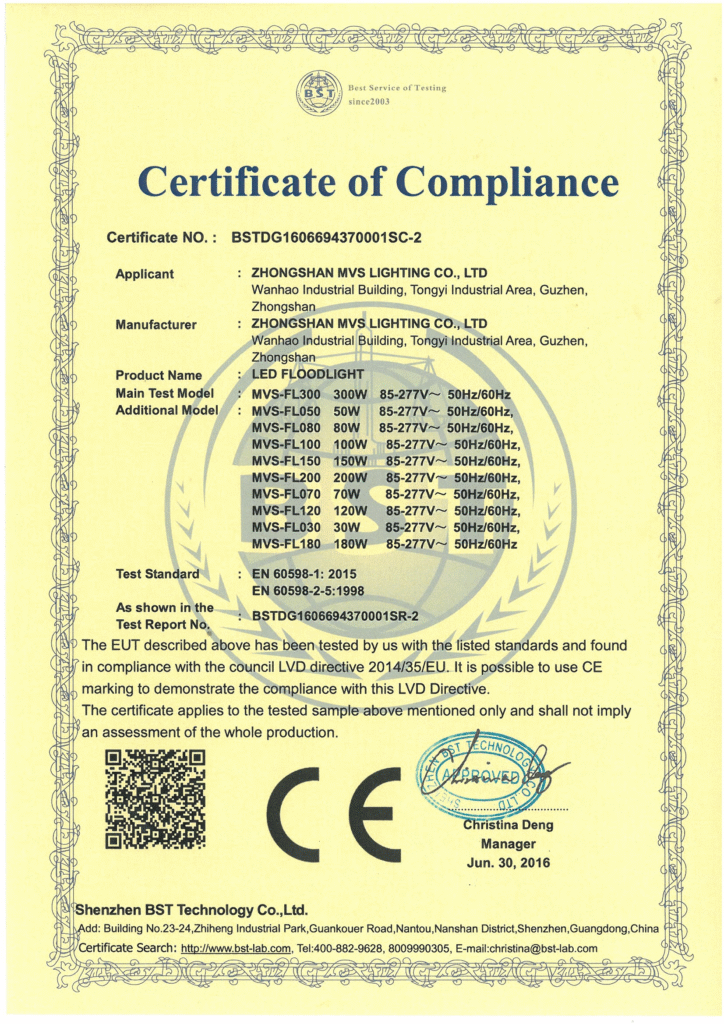
Smart LED floodlights used in professional outdoor lighting projects are typically required to comply with relevant international standards and regional regulations.
Compliance ensures product safety, system reliability, and smooth approval during project evaluation, tendering, and installation stages.
Depending on the target market and application requirements, smart LED floodlight systems may comply with electrical safety standards, electromagnetic compatibility requirements, and environmental protection ratings.
In addition, control-related components and interfaces are designed to align with commonly used smart lighting and building management standards, supporting stable integration into existing infrastructure.
A smart LED floodlight integrates intelligent control functions such as dimming, scheduling, remote monitoring, and centralized management.
Unlike standard LED floodlights that operate with fixed output, smart floodlights are designed to work as part of a connected lighting system, enabling flexible operation and system-level optimization.
Smart LED floodlights can support various control methods depending on project requirements, including 0–10V dimming, DALI, DMX512, and wireless communication technologies such as LoRa, cellular networks, or other IoT-based solutions.
The choice of protocol typically depends on system scale, control precision, and integration needs.
Yes. Smart LED floodlights are specifically designed for large-area and multi-site outdoor lighting projects such as industrial parks, stadiums, transportation hubs, and smart city infrastructure.
Centralized control and remote monitoring make them especially effective for projects requiring coordinated operation and long-term management.
In most cases, smart LED floodlights can be integrated with existing lighting infrastructure through compatible control interfaces or gateway devices.
Integration feasibility depends on the current system architecture, control protocols, and project conditions, which are usually evaluated during the planning stage.
Smart LED floodlights are designed to simplify maintenance rather than increase complexity.
Through system monitoring and fault reporting functions, potential issues can be identified early, allowing maintenance teams to plan inspections and replacements more efficiently than with traditional lighting systems.
Explore our full LED Floodlight Series and related control solutions for industrial, commercial, and infrastructure projects:
30W Floodlight|50W Floodlight |65W Floodlight | 100W Floodlight | 150W Floodlight | 200W Floodlight | 300W Floodlight| 400W Floodlight | 500W Floodlight| 750W Floodlight | 1000W Floodlight
DALI Dimmable LED Floodlight |Dimmable LED Floodlight |Floodlight ON OFF Control |Timer Control Floodlight |Remote Control LED Floodlight |Smart LED Floodlight |
RGBW Floodlight
MVS Lighting
Professional LED Outdoor Lighting Supplier
Reply within 2 hours
Need LED lighting for your project?
WhatsApp Us
Online | Privacy policy
Get Quote on WhatsApp