Sensor Control

Modern sensor control goes far beyond the simple “lights on at night, lights off at dawn.”
By integrating photo sensors and motion detection technologies, today’s outdoor lighting systems achieve smarter energy management, extended service life, and safer user experiences.
It is the foundation of intelligent, cost-effective, and sustainable public lighting.

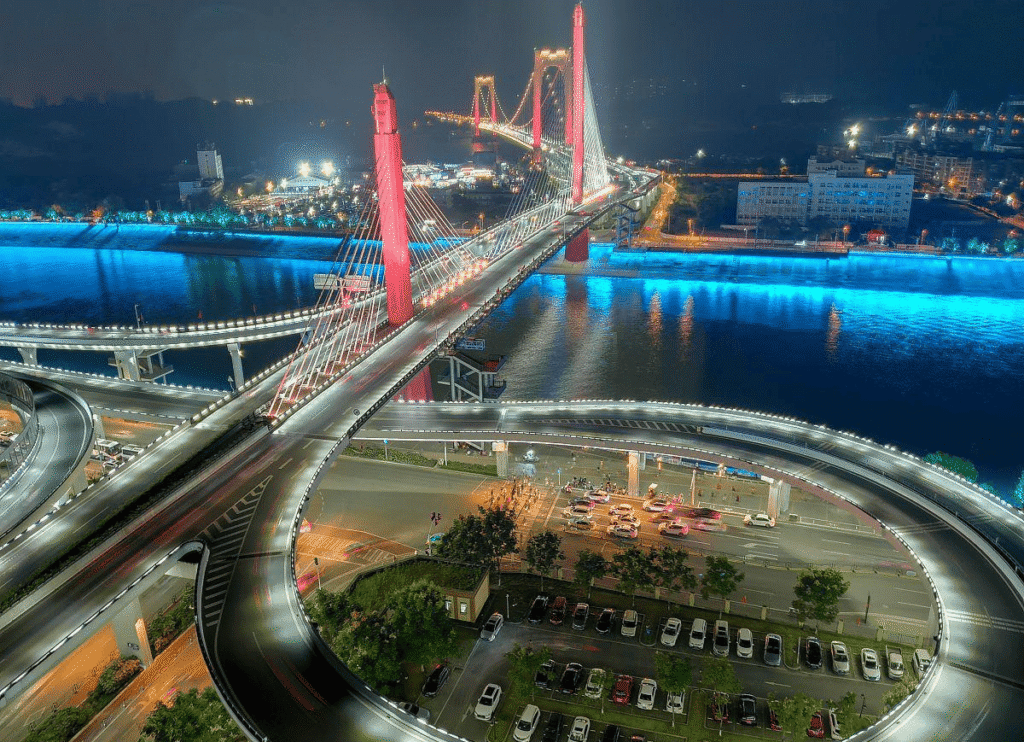
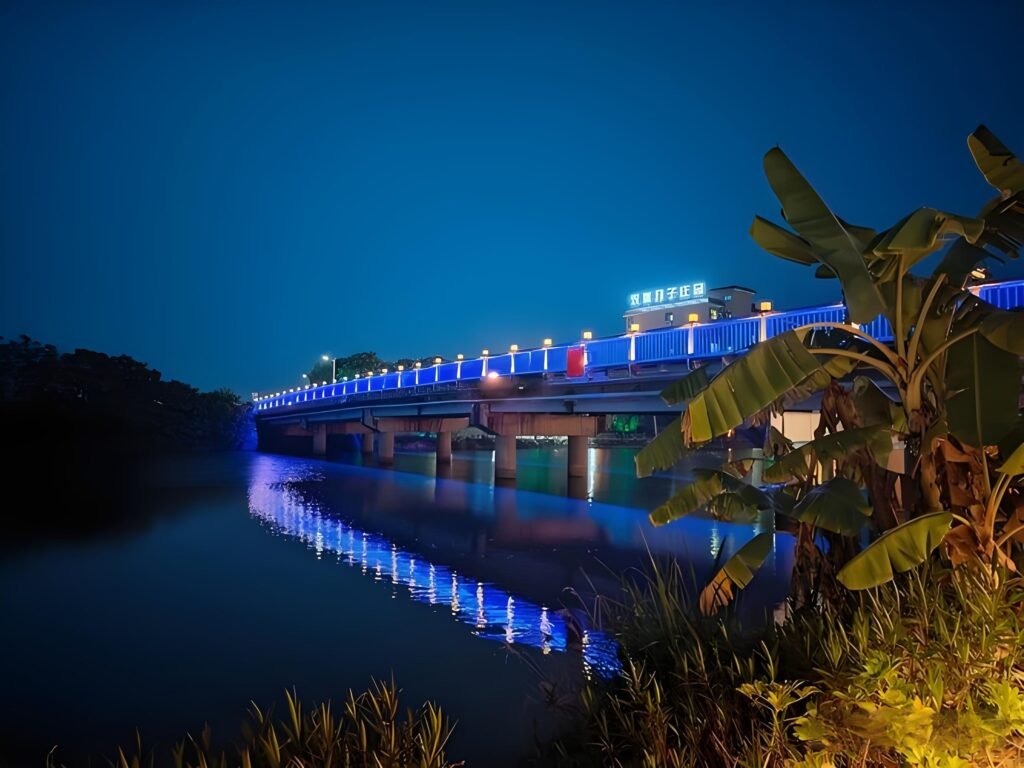
LED bridge and river lighting reflected on the water at night

Core Sensor Types for Outdoor Lighting

Photo Sensor (Light Sensor)

Working Principle: Detects ambient light levels. Automatically switches ON at dusk (10–20 lux) and OFF at dawn (20–30 lux).

Advantages: Simple installation, low cost, reliable basic control.

Limitations:

  • False triggers from lightning or car headlights
  • Cannot detect people or vehicles

Motion Sensor (Microwave / PIR)

Working Principle: Detects movement using microwave radar or infrared heat radiation. Typically combined with photo sensor for smart dual-control.

  1. Light sensor confirms night mode
  2. Motion triggers full brightness
  3. After delay, lights dim to standby or switch off

Advantages:

  • Extreme energy savings
  • Extends LED and driver lifespan
  • User-friendly & reduces light pollution

Common Control Modes

Modern outdoor lighting does not rely on a single control method. Depending on project requirements and budget, different sensor control modes can be applied — from basic photo sensing to advanced IoT management.

Pure Photo Control

Relies only on light sensors. Lamps switch on at dusk and off at dawn. Common in older systems or areas with low energy-saving requirements.
Intelligent Motion Control (Photo + Radar/PIR)

The most recommended and widely used mode. Workflow: Light sensor activates the system only at night. Motion sensor triggers full brightness when movement is detected. After a set delay (30s–5min), lights dim to standby (20–30%) or turn off. Best balance between performance, cost, and energy efficiency.
Photo + Time Control

Combines photo sensing with a timer. Example: Lights turn on at dusk, but reduce to half brightness after midnight when pedestrian and vehicle traffic is low. Further improves energy savings compared with pure photo control.

Remote IoT Control

High-end systems connect sensors to an IoT platform. Features include: Remote monitoring of lamp status, brightness, and power consumption. Adjustable parameters such as sensitivity, delay time, and dimming levels. Fault alarms and maintenance alerts. Ideal for large-scale municipal or smart city projects.

Why Choose Sensor Control in Outdoor Lighting?

Lighting systems with sensor control bring significant value not only in energy savings but also in long term operation, safety and environmental impact.

Energy Efficiency & Sustainability

Cut power consumption by up to 70–80% and align with green, low-carbon goals.

Lower Operating Costs

Reduce electricity spend and maintenance frequency through smart dimming and runtime optimization.

Intelligent Management

Enable on-demand lighting, remote parameter settings and fleet-level monitoring via IoT platforms.

Enhanced Safety

Deliver light exactly when and where needed, improving visibility for pedestrians and vehicles.

Reduced Light Pollution

Minimize unnecessary all-night lighting to protect dark skies and local ecosystems.

Key Considerations for Sensor Installation

To ensure stable performance and long-term reliability, sensor-equipped lighting must be carefully selected and installed according to site conditions.

Detection Range & Angle

Select sensors with coverage suitable for installation height and area. Radar offers wider and longer range.

Sensitivity Adjustment

Ensure sensors allow tuning to avoid false triggers from small animals or environmental movements.

Delay Time Setting

Set appropriate delay before lights dim or turn off depending on roads, corridors or parking areas.

Installation Position

Avoid direct exposure to strong light sources or obstruction by objects such as trees or billboards.

Protection Rating

For outdoor use, select IP65 or higher to ensure resistance against water, dust and lightning.

Smart Lighting, Smarter Cities

Modern sensor control in street and flood lighting has evolved from basic automation into a comprehensive intelligent system. By combining photo sensing, motion detection, time scheduling, and remote IoT connectivity, these solutions ensure the right light at the right time and place. The result is a win–win for energy efficiency, cost reduction, public safety, and environmental protection.

Sensor Control FAQ

Practical answers for selecting and configuring sensors in outdoor LED lighting projects.

What is sensor control in outdoor lighting?

Sensor control enables an LED luminaire to switch or change its brightness automatically according to ambient light, movement or vehicle activity. Common configurations use photocells, PIR sensors, microwave radar sensors or a combination of these technologies.

What is the difference between a photocell and a motion sensor?

A photocell responds to surrounding light levels and is mainly used for dusk-to-dawn switching. A motion sensor detects people or vehicles and can raise the luminaire from standby brightness to full output for a specified period.

Should a project use PIR or microwave radar sensors?

PIR sensors detect changes in infrared heat and are suitable for many pedestrian areas. Microwave radar sensors generally offer a wider detection range and can be more suitable for roads, parking areas and higher mounting positions. Final selection should consider installation height, detection direction and surrounding movement.

Can sensor-controlled lights remain at a low brightness level?

Yes. With a compatible dimmable driver, the luminaire can remain at a preset standby level and increase to full brightness when movement is detected. The standby output, hold time and return level should be configured according to the safety requirements of the site.

Can sensors work with DALI or 0–10V dimming?

Yes, provided that the sensor, LED driver and control interface are compatible. MVS can match sensor functions with DALI or 0–10V dimming requirements during luminaire and driver configuration.

How can false triggering be reduced?

False triggering can be reduced by selecting the correct installation position and adjusting sensitivity, detection range and hold time. Nearby traffic, moving trees, animals, reflective surfaces and other light sources should be considered during project planning.

What protection is required for outdoor sensor control?

Outdoor sensors and luminaires should have protection appropriate for the installation environment. IP65 or higher is commonly used for exposed outdoor projects, while surge protection and a weather-resistant electrical connection are also important for reliable operation.

What information does MVS need to configure a sensor lighting solution?

Useful project information includes the application, mounting height, pole spacing, road or area dimensions, traffic pattern, required detection range, standby brightness, hold time, control interface and local power supply. These details help determine a practical sensor and driver configuration.

Ask For A Quick Quote

We will contact you within 1 working day, please pay attention to the email with the suffix “info@ledmvs.com”.