Uniform Platform Visibility
Consistent illumination reduces shadow zones around platform edges, waiting areas, access points, and passenger circulation routes.

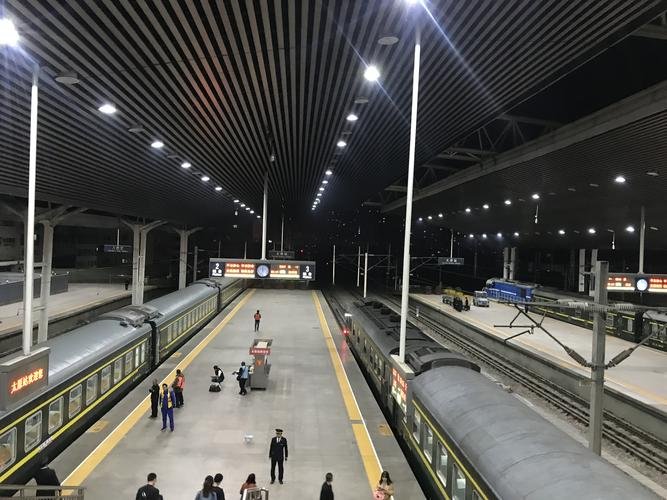
Train stations need consistent illumination across platforms, entrances, waiting areas, and passenger routes. MVS lighting solutions reduce shadows and glare while supporting clear wayfinding, safer passenger movement, and reliable continuous operation.
Built with IP65 waterproofing and IK10 impact resistance, our luminaires withstand dust, humidity, weather exposure, and heavy public use while supporting lower energy and maintenance costs.
Passenger & Operational Performance
Train station lighting must support efficient operations, safe passenger movement, clear wayfinding, and intelligent energy management. MVS combines high-output LED luminaires with controlled optics and flexible control options for continuously operating transport environments.
Consistent illumination reduces shadow zones around platform edges, waiting areas, access points, and passenger circulation routes.
Controlled optical distribution supports comfortable visibility for passengers, station employees, security teams, and vehicle operators.
Reliable lighting improves the visibility of directional signs, entrances, ticketing areas, boarding zones, stairs, and connecting routes.
Scheduled dimming and occupancy-based control can reduce unnecessary energy use during off-peak periods while maintaining operational visibility.
Durable luminaires, stable drivers, and planned control schedules help reduce downtime and maintenance requirements across busy stations operating for extended daily hours.
Product Selection
Train station platforms, entrance forecourts, boarding areas, and outdoor passenger zones require uniform illumination across long or wide spaces. The selected fixture must provide sufficient brightness while controlling glare and shadow zones.
MVS provides project-grade LED floodlights with configurable wattages, beam angles, mounting structures, driver options, smart-control compatibility, and IP65/IK10 protection for transport-hub applications.
Compare available wattages, beam angles, structures, and performance features in our LED Floodlight Series .
Station Planning
Train station lighting should support platform safety, passenger guidance, continuous operation, and comfortable visibility across areas with different structures and traffic patterns.
Project data should determine the final configuration. Confirm platform dimensions, canopy height, target lux level, operating schedule, passenger flow, and environmental exposure before selecting fixture quantity, wattage, and beam angle.
Procurement & Engineering Questions
Practical answers for railway operators, engineering contractors, distributors, and procurement teams planning passenger-station lighting projects.
Train platforms commonly use a reference range of 100–200 lux to support passenger movement, boarding, signage recognition, and staff operations. The final level must follow local railway standards and project requirements.
Uniform, low-glare illumination reduces shadow zones and improves the visibility of platform edges, stairs, boarding points, obstacles, directional signs, and changes in floor level.
Yes. DALI, scheduled dimming, or occupancy-based controls can reduce output during off-peak periods and restore the required brightness before scheduled arrivals or increased passenger activity.
IP65/IK10 provides practical protection against rain, dust, moisture, and external impact for open-air platforms, station canopies, entrances, and other high-traffic public areas.
Related Transport Applications
Explore related lighting solutions for passenger transport hubs, cargo terminals, outdoor operating areas, and large-scale transportation infrastructure.
Controlled floodlighting for aircraft aprons, cargo areas, terminal forecourts, parking zones, and airport service roads.
View SolutionHigh-output lighting for cargo terminals, container yards, loading zones, and large outdoor transport facilities.
View Solution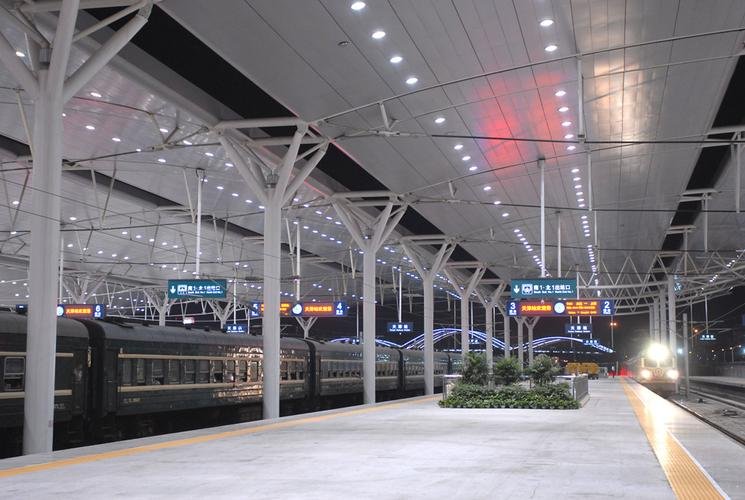

MVS Lighting
Professional LED Outdoor Lighting Supplier
Reply within 2 hours
Need LED lighting for your project?
WhatsApp Us
Online | Privacy policy
Get Quote on WhatsApp