Manufacturing & Production-Area Lighting

Factory Lighting

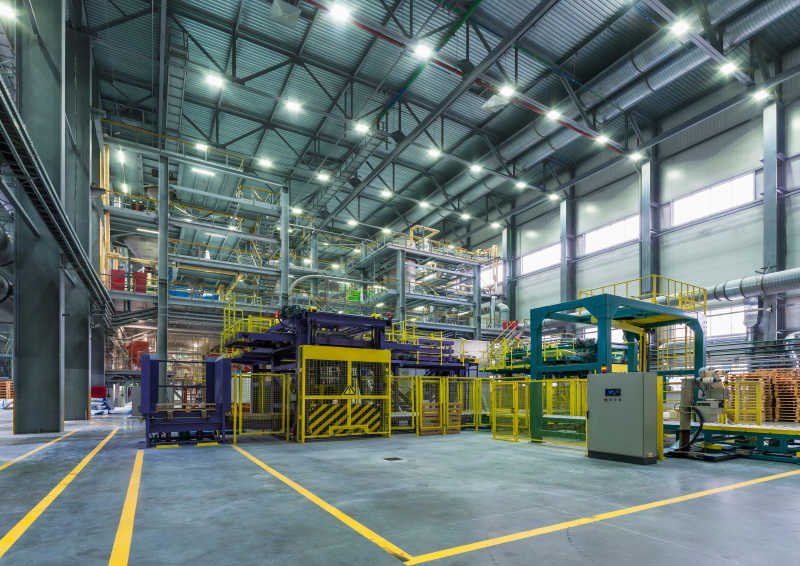
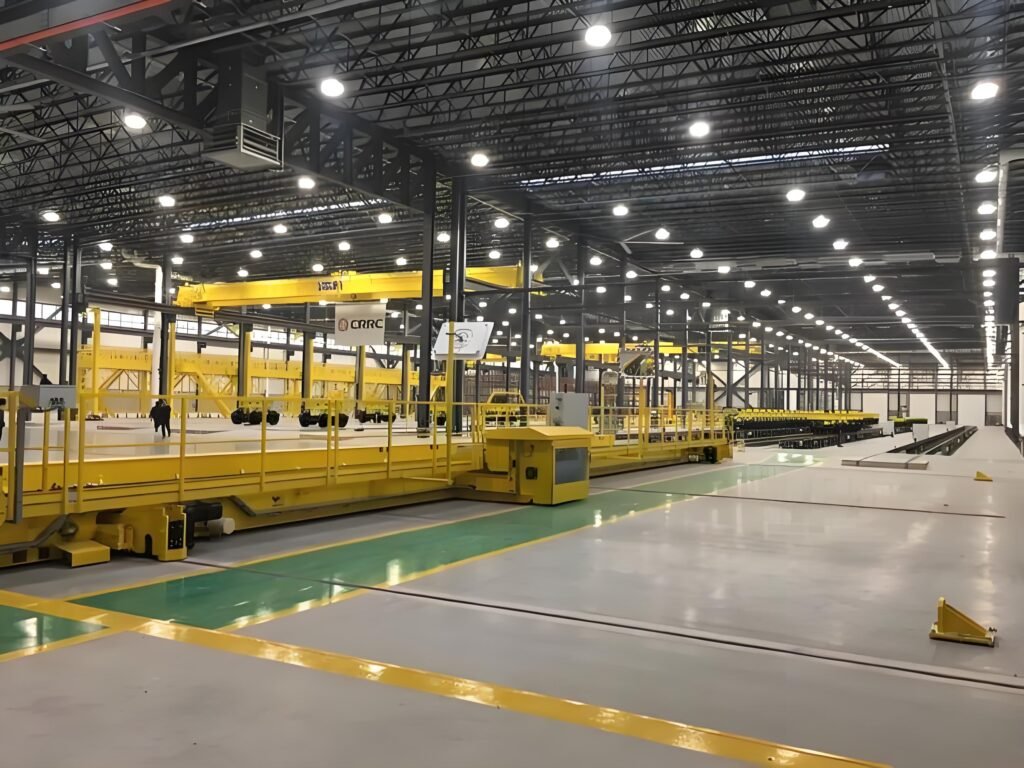
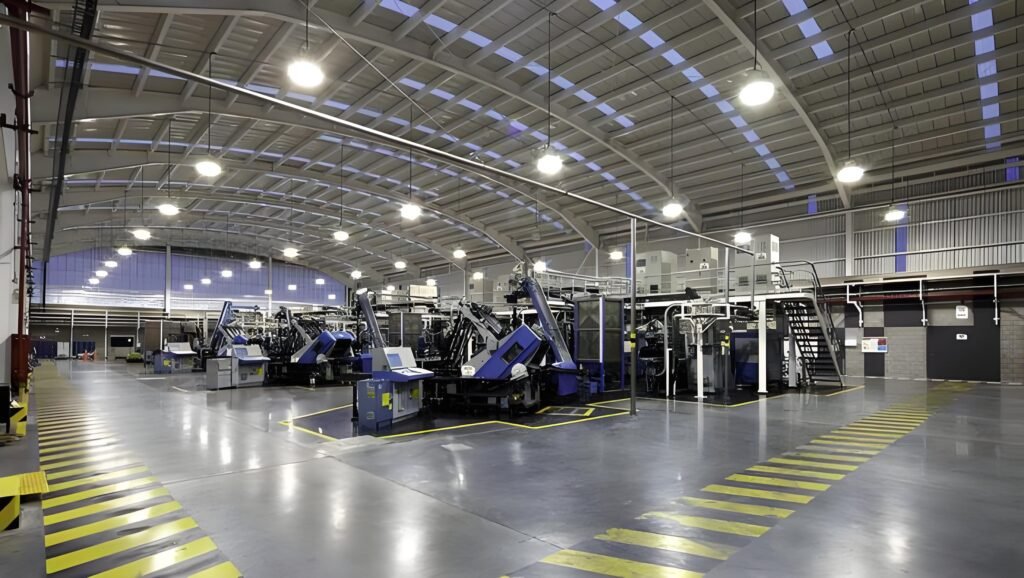
Factory lighting must provide consistent visibility across production lines, assembly stations, inspection areas, equipment routes, and material handling zones. The layout should reduce shadows around machinery and help workers perform tasks safely and accurately throughout each shift.

In high-ceiling production buildings, efficient LED high bay lights can provide broad, uniform illumination with lower energy use and fewer maintenance interruptions. Fixture selection should also reflect dust, humidity, temperature, vibration, and impact risks within the actual production environment.

Uniform Task Visibility Reduced Equipment Shadows Low-Maintenance Operation
Production Environment

Factory Lighting for Safe and Accurate Production

Effective factory lighting must support the work performed in each area. General production, detailed assembly, machine operation, inspection, and internal transport routes may require different light levels and distributions.

01

Clear Task Visibility

Workers need sufficient, uniform illumination to identify materials, operate machinery, assemble components, and inspect finished products. Detailed work areas may require higher illumination than general circulation or storage zones.

02

Controlled Glare and Shadows

Machinery, overhead structures, and production equipment can block light or create strong reflections. Fixture positions and beam angles should limit shadows and uncomfortable glare around active workstations.

03

Reliable Continuous Operation

Factories with long shifts need lighting that remains stable while minimizing maintenance above machinery and production lines. Efficient LEDs and appropriate controls can also reduce unnecessary energy use.

Environment Check

Dust, humidity, oil mist, vibration, temperature, cleaning methods, and impact risks differ between factories. The fixture structure and protection rating should be selected according to the actual production environment.

Product Selection

Find the Right High Bay Light Series for Your Factory

High bay lights are commonly used in high-ceiling production buildings, assembly halls, machining areas, and industrial workshops. The appropriate configuration depends on mounting height, equipment layout, required task visibility, fixture spacing, and the conditions inside the factory.

Lighting by Production Zone

Different Factory Areas Need Different Lighting

A factory contains different visual tasks and operating risks. General production halls, detailed assembly stations, machine areas, and inspection points should not automatically use the same illumination level or fixture layout.

01

General Production Areas

Production halls need uniform illumination across work areas, circulation routes, and equipment zones. The layout should minimize large brightness differences that make it harder for workers to move between areas.

Design focus: uniform coverage, suitable mounting height, efficient LED output, and reliable continuous operation.
02

Assembly and Workstations

Assembly work may involve small components, wiring, tools, labels, and repeated hand movements. These stations often need higher task visibility than the surrounding general production area.

Design focus: detailed visibility, controlled glare, low flicker, and reduced shadows over the working surface.
03

Machining and Equipment Areas

Large machines, overhead structures, pipes, and moving components can obstruct light. Oil mist, dust, vibration, or elevated temperatures may also affect fixture selection and installation.

Design focus: shadow control, suitable protection, equipment clearance, and safe maintenance access.
04

Inspection and Quality-Control Areas

Inspection tasks require workers to identify surface defects, dimensions, colors, markings, or assembly errors. Poor uniformity and excessive glare can make visual judgments less reliable.

Design focus: higher task illumination, suitable color rendering, stable output, and controlled reflections.
Related Applications

Related Factory and Industrial Lighting Solutions

Factory projects may include connected warehouses and logistics areas, as well as production zones exposed to heat, chemicals, or corrosive substances. Explore the pages that match the actual facility conditions.

Production and Facility Areas

Industrial Lighting Solution

Broader lighting requirements for industrial buildings, workshops, yards, and facility infrastructure.

Explore Industrial Lighting

Warehouse Lighting Solution

Lighting for storage racks, picking aisles, stock areas, and warehouses connected to production.

Explore Warehouse Lighting

Logistics Lighting Solution

Lighting for sorting, packing, distribution, loading, and internal material-flow areas.

Explore Logistics Lighting

Special Industrial Environments

Engineering Guidance

Factory Lighting Design Considerations

Factory lighting should be planned around the production process, equipment layout, visual task, environmental conditions, and maintenance access rather than applying one lighting level across the entire building.

01

Planning the Lighting Layout

  • Separate the Production Zones Define general production, assembly, inspection, storage, circulation, and equipment areas before setting illumination levels.
  • Match Mounting Height and Beam Angle Select fixture output and light distribution according to ceiling height, spacing, machine position, and the working surface below.
  • Account for Equipment Obstruction Check whether machinery, cranes, pipes, ducts, or overhead structures may block light and create shadows on active work areas.
02

Performance and Environment

  • Control Glare and Flicker Stable drivers and appropriate optics help reduce visual discomfort around machinery, reflective surfaces, and detailed workstations.
  • Check Industrial Exposure Evaluate dust, humidity, oil mist, chemicals, vibration, impact, and ambient temperature before selecting fixture protection.
  • Plan Safe Maintenance Access Avoid positions where machinery or continuous production makes inspection, cleaning, or fixture replacement difficult.
  • Verify the Design A DIALux simulation can help check fixture quantity, spacing, average illumination, uniformity, and potential shadow areas.
Protection selection: IP65 and IK10 may provide a practical baseline for dusty or impact-prone factory areas, but heat, chemicals, oil mist, and corrosive exposure require separate evaluation and may need specialized fixtures.
Frequently Asked Questions

Factory Lighting FAQ

Practical answers about illumination levels, high bay lighting, flicker, and fixture protection for manufacturing environments.

What illumination level suits factory production lines?

Factory production areas commonly require approximately 300–750 lux, depending on the size of the components and the precision of the task. Detailed assembly, inspection, or quality-control stations may require higher illumination. Final targets should follow the applicable project standard and actual working requirements.

Why are high bay lights used in factories?

High bay lights are designed for tall industrial spaces and are commonly used at mounting heights of around 6 metres or above. Their optical distribution directs useful light toward production floors and working areas while covering wider spaces from higher mounting positions.

Can LED factory lighting reduce flicker-related fatigue?

Stable, well-matched LED drivers can reduce visible flicker compared with poorly maintained fluorescent or HID systems. Driver quality should be checked carefully in areas containing rotating machinery, cameras, or detailed visual tasks.

What protection rating suits dusty factory floors?

IP65 protection and IK10 impact resistance can provide a practical baseline for many dusty or impact-prone factory areas. Factories exposed to chemicals, oil mist, corrosion, high temperatures, or heavy vibration require additional evaluation and may need specialized fixtures.

Final Step

Need Help Planning Lighting for Your Factory?

MVS can help evaluate ceiling height, production layout, machinery position, working tasks, environmental exposure, and required illumination before recommending a suitable factory lighting configuration.

View LED High Bay Light Series
LED high-bay lighting for a heavy manufacturing factory
LED factory lighting for a large industrial production workshop
MVS UFO LED high bay lights installed in a Saudi manufacturing plant

Ask For A Quick Quote

We will contact you within 1 working day, please pay attention to the email with the suffix “info@ledmvs.com”.