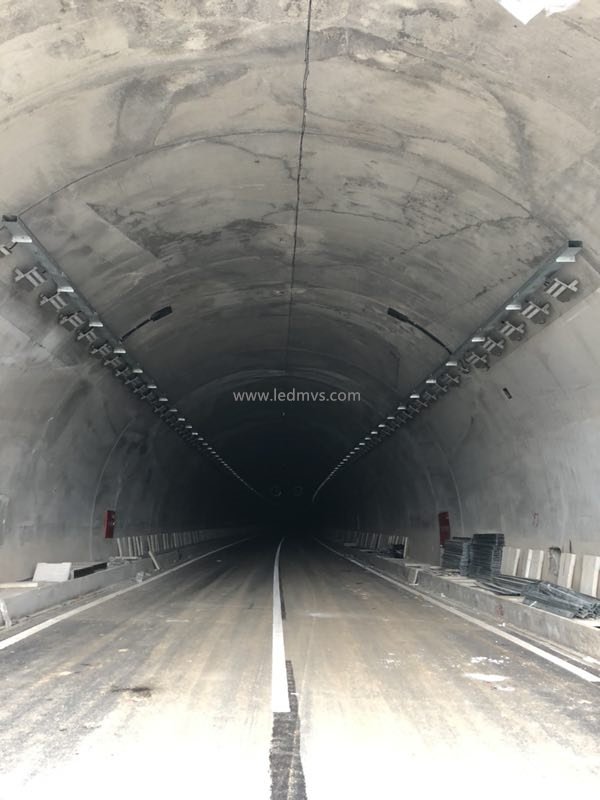
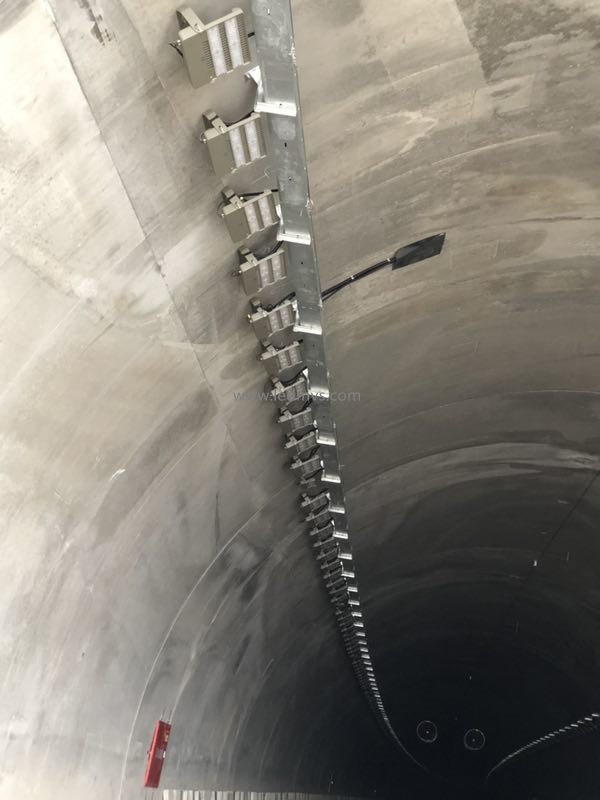
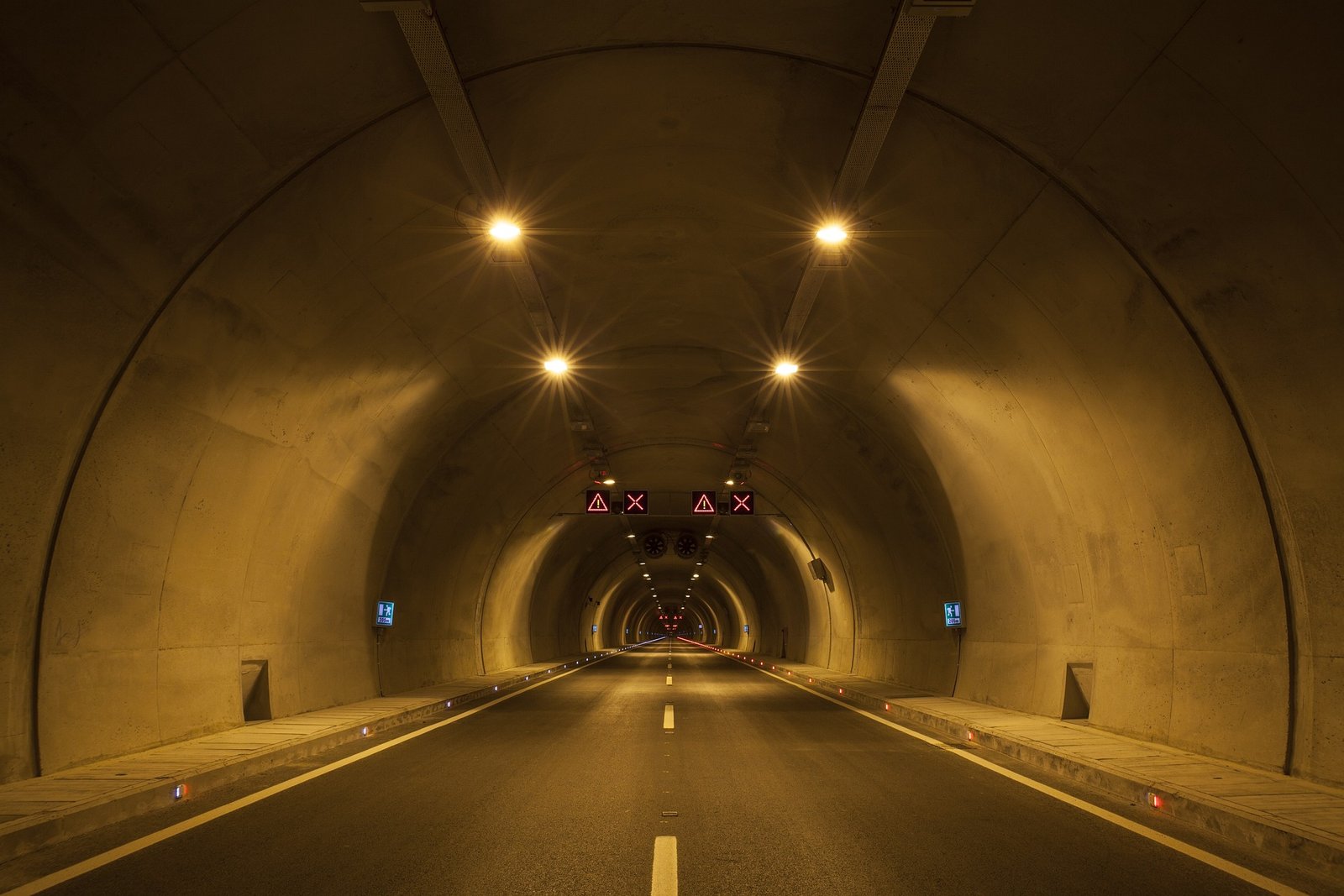
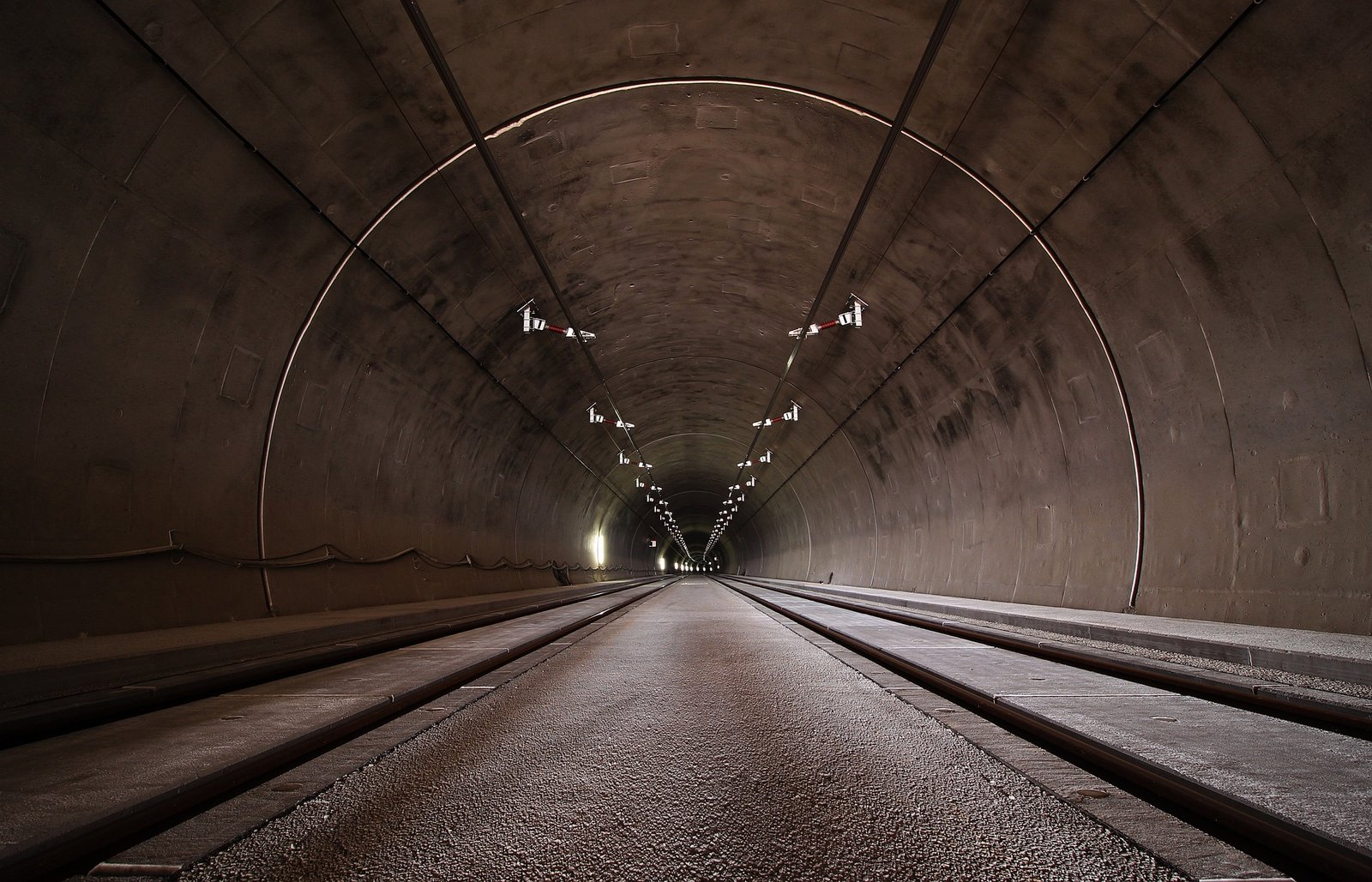
Tunnel lighting is not simply brighter roadway lighting. It requires zone-based luminance control to help drivers adapt safely when entering, travelling through, and leaving a road tunnel.
MVS tunnel luminaires support controlled lighting across threshold, transition, interior, and exit zones, with smart dimming options and IP66 / IK10 protection for continuous, low-maintenance operation.
Effective tunnel lighting helps drivers adapt to changing brightness levels while maintaining visibility, comfort, and attention throughout the tunnel.
Tunnel lighting goes beyond basic illumination. Controlled luminance between the entrance, transition, and interior zones helps reduce sudden visual changes as drivers move from daylight into the tunnel.
Suitable colour temperature, controlled glare, and uniform road-surface brightness can reduce eye strain and improve the visibility of vehicles, lane markings, and possible obstacles ahead.
Dimming schedules and remote monitoring can also adjust operating levels according to exterior brightness, traffic conditions, and different periods of the day.
Visual Adaptation
Reduces abrupt brightness changes between exterior daylight and the tunnel interior.
Controlled Optics
Supports road visibility and uniformity while limiting glare and unnecessary light.
Smart Operation
Enables scheduled dimming, fault monitoring, and operating-level adjustment.
Environmental Protection
IP66 and IK10 options support operation around dust, moisture, vibration, and cleaning work.
Tunnel lighting levels change by zone to support driver adaptation from exterior daylight to the lower luminance inside the tunnel.
40–60 cd/m²
Preliminary daytime reference for the entrance section.
Graduated Step-Down
Brightness is reduced progressively toward the interior.
1–3 cd/m²
Preliminary reference for normal interior operation.
≥ 0.40
Helps limit excessive bright and dark variations.
Continuous or Recessed
Selected according to tunnel structure and maintenance access.
IP66 / IK10
Protection against dust, moisture, impact, and washdown work.
These figures are preliminary references, not universal design values. Final zone luminance and uniformity should be calculated according to tunnel length, approach luminance, traffic speed, traffic volume, wall reflectance, local requirements, and the applicable tunnel lighting standard.
Once the tunnel zones and target luminance are confirmed, the next step is to compare suitable fixture structures, optical options, power levels, and control compatibility.
This page explains the main tunnel lighting design requirements. For available wattages, optical distributions, housing structures, and customization options, review our LED floodlight series .
Final fixture selection should be based on the required luminance in each zone, installation method, dimming strategy, maintenance access, and environmental protection.
Tunnel Dimensions
Tunnel length, width, height, lane count, and entrance orientation.
Zone Luminance Targets
Required levels for threshold, transition, interior, and exit zones.
Installation Method
Ceiling, side-wall, recessed, or continuous-row mounting conditions.
Control Requirements
Dimming protocol, daylight response, monitoring, and emergency operation.
Key technical points to confirm when planning lighting for road tunnel entrances, transition zones, and interior zones.
Drivers respond to the brightness of the road surface and objects visible ahead. For this reason, road tunnel design commonly evaluates surface luminance in cd/m², rather than relying only on the amount of incident light measured in lux.
The threshold zone is the first section inside the tunnel entrance. During daytime, drivers’ eyes are still adapted to exterior brightness, so insufficient entrance luminance can create the visual “black hole” effect and make obstacles difficult to identify.
Yes. Because exterior luminance is much lower at night, the required adaptation level at the entrance can also be reduced. DALI, scheduled schedules, photocells, or other project control systems can be used when supported by the selected fixtures and control platform.
IP66 and IK10 are commonly considered for tunnel fixtures exposed to dust, moisture, vibration, impact risk, and cleaning operations. Final requirements should follow the tender specification and the tunnel’s actual maintenance conditions.
Inspection frequency depends on traffic volume, dust accumulation, exhaust conditions, cleaning methods, electrical-system requirements, and local maintenance rules. A planned inspection and lens-cleaning schedule should be established for each tunnel instead of using one fixed interval for every project.
Tunnel lighting is often planned together with highway approaches, municipal roads, bridge crossings, and connected control systems. Explore the related infrastructure lighting applications below.
Not sure how to coordinate your tunnel lighting system?
Our engineering team can help evaluate tunnel zones, approach roads, luminance targets, mounting conditions, control requirements, and suitable fixture configurations.
MVS Lighting
Professional LED Outdoor Lighting Supplier
Reply within 2 hours
Need LED lighting for your project?
WhatsApp Us
Online | Privacy policy
Get Quote on WhatsApp