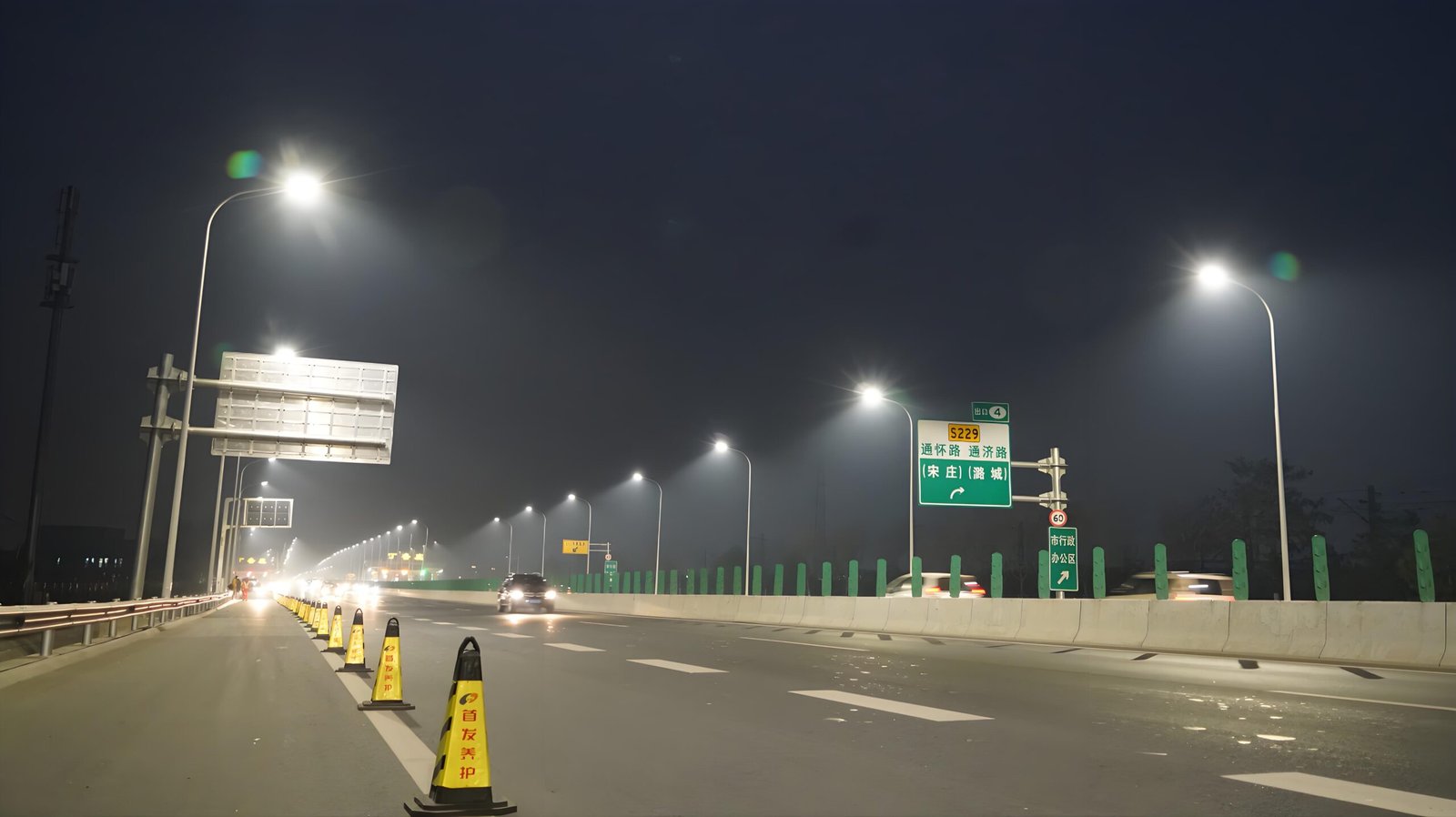
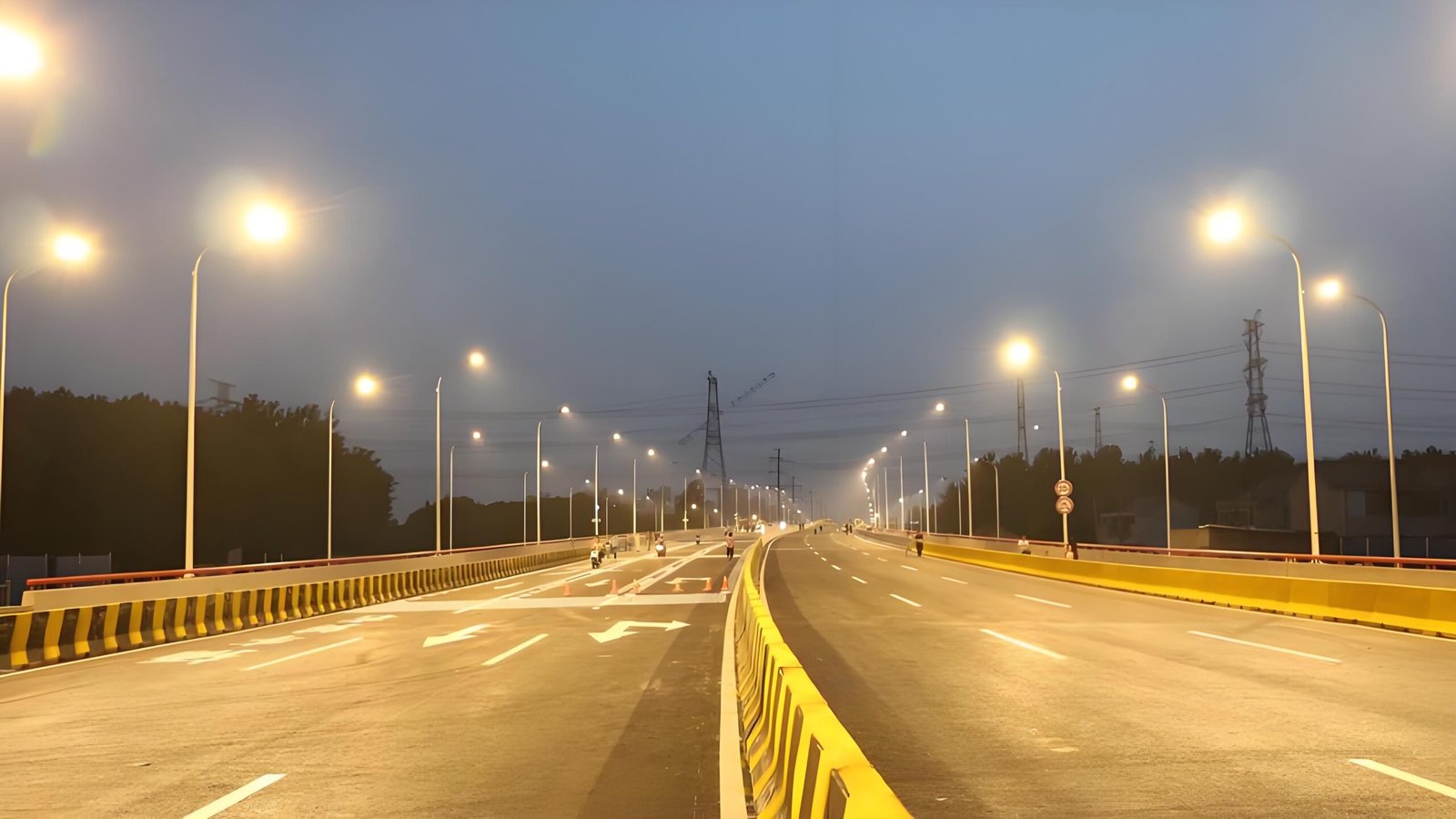
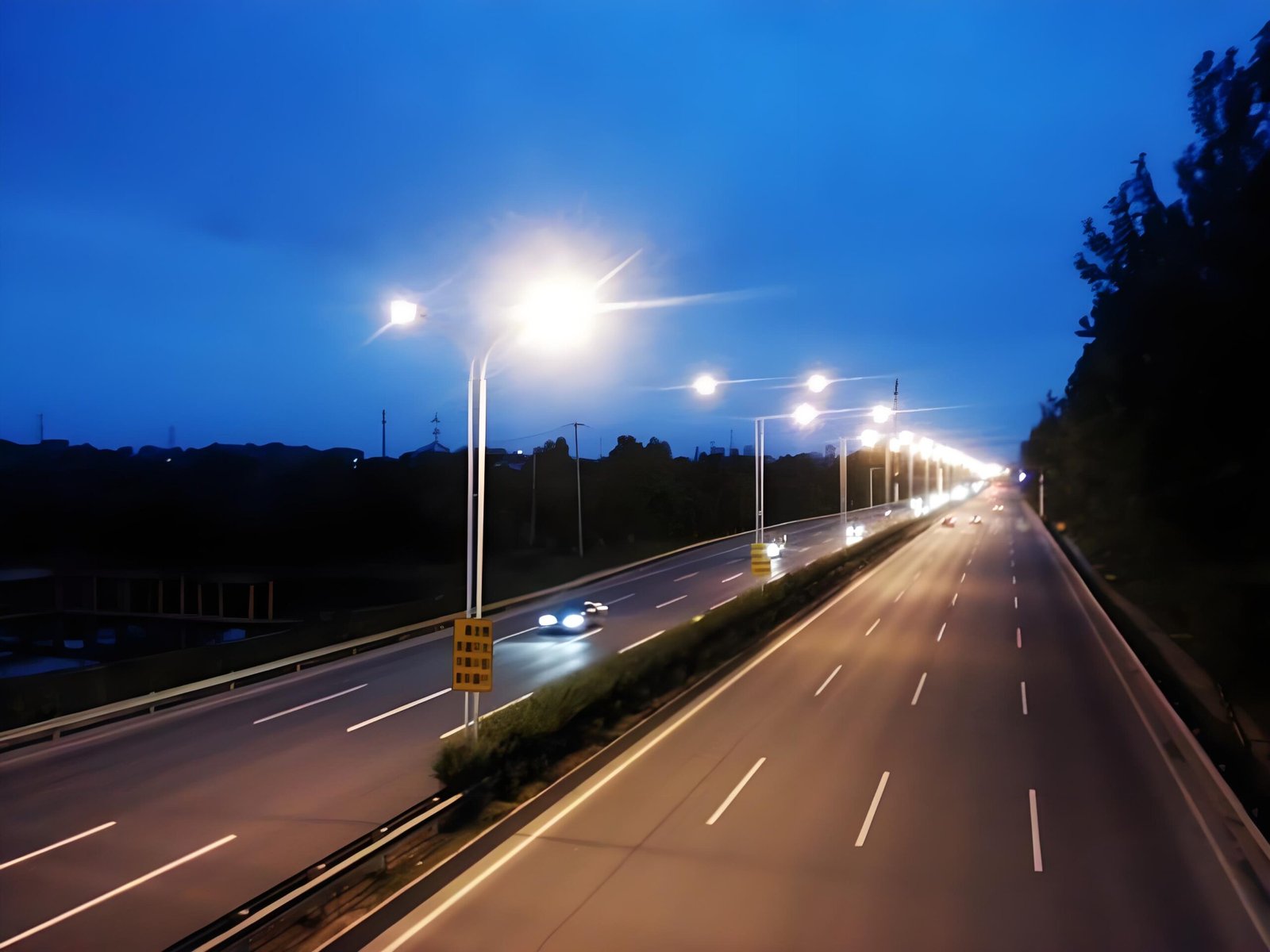
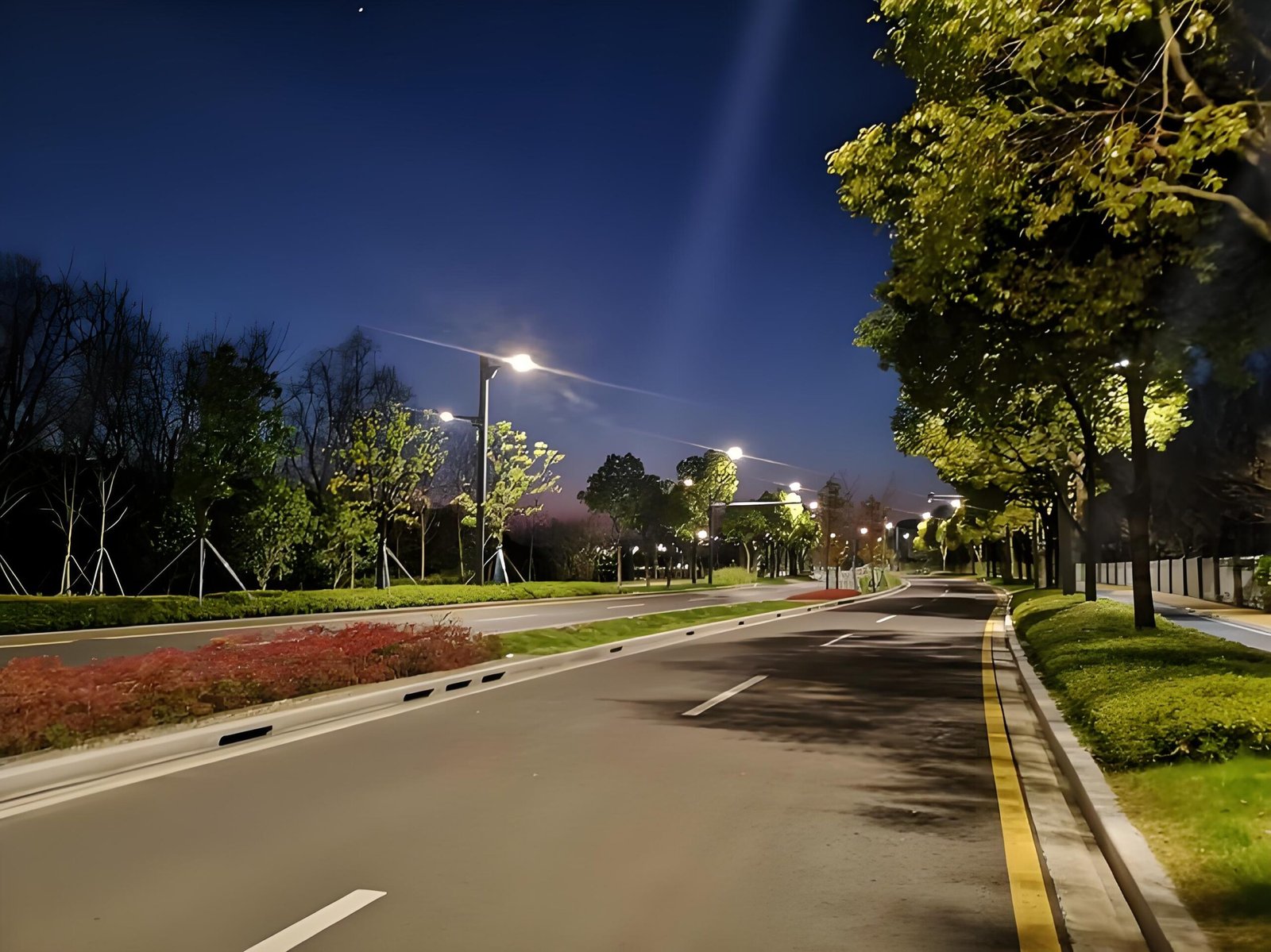
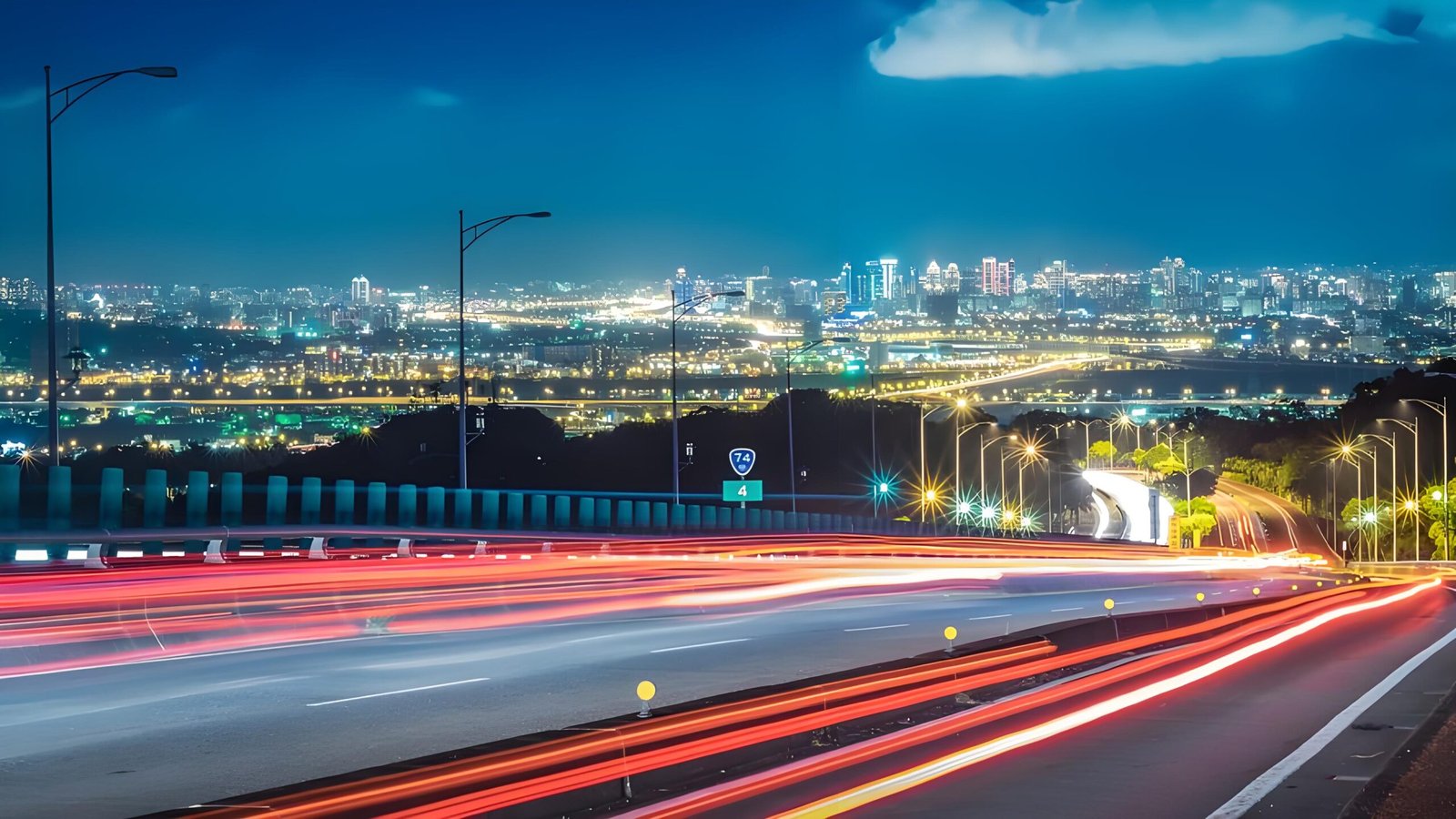
Improve energy efficiency, enable remote control, and reduce maintenance costs with intelligent street lighting systems.
Our smart street lighting solution is designed for commercial and municipal projects that require better energy management, remote control, and long-term maintenance efficiency. It is suitable for buyers, planners, and contractors looking for a practical intelligent lighting system for modern road infrastructure.
Ideal for city roads, urban streets, and public infrastructure projects that require centralized lighting control and energy-saving operation.
Suitable for smart city projects that need remote monitoring, intelligent dimming, and system integration for future urban development.
A practical option for engineering contractors who need reliable smart lighting systems with flexible configuration and project support.
Well suited for upgrading traditional street lighting systems where energy efficiency, remote access, and maintenance improvement are required.
Applicable to larger road lighting networks where stable performance, grouped control, and efficient operation are essential.
Suitable for industrial zones, logistics centers, and large outdoor areas that need scheduled dimming, fault monitoring, and efficient lighting management.
In many street lighting projects, performance issues are not caused by the lighting fixtures themselves, but by the lack of intelligent control and system planning. These problems often lead to higher operational costs and reduced efficiency over time.
Traditional street lighting operates at full power all night, leading to unnecessary energy waste during low-traffic hours.
Lighting systems require manual switching or basic timers, making centralized control and flexible adjustments difficult.
Fault detection relies on manual inspection, increasing maintenance cost and delaying problem response.
Lighting levels cannot adapt to real-time conditions such as traffic flow, resulting in over-lighting or under-lighting.
No real-time data on energy usage or system status, making it difficult to optimize performance or integrate into smart city platforms.
Inefficient operation and delayed maintenance increase the total cost of ownership over the project lifecycle.
A smart street lighting system integrates lighting fixtures, communication technology, and centralized management software to enable remote control, automated operation, and real-time monitoring across the entire lighting network.
High-efficiency lighting fixtures designed for roads, highways, and outdoor environments.
Installed on each luminaire to enable remote control, dimming, and status monitoring.
Supports LoRa, NB-IoT, Zigbee, or 4G for data transmission between devices and control systems.
Software interface for monitoring, scheduling, and managing the entire lighting system.
Motion, daylight, and environmental sensors for adaptive and energy-efficient lighting control.
Operators can switch lights ON/OFF or adjust brightness remotely through a centralized platform.
Lighting levels automatically adjust based on time schedules, traffic flow, or environmental conditions.
The system continuously tracks lamp status, energy usage, and operational performance.
Automatic alerts are generated when failures occur, enabling faster maintenance response.
Energy consumption is optimized through adaptive control strategies and data-driven adjustments.
Smart street lighting systems do more than improve illumination. They help project owners reduce operating costs, simplify maintenance, and build a more flexible lighting infrastructure for long-term urban development.
Intelligent dimming and scheduled control help reduce unnecessary power usage during low-traffic periods and improve overall energy efficiency.
Real-time status monitoring and automatic fault alerts make maintenance planning faster, more accurate, and less dependent on manual inspection.
Centralized management allows operators to control multiple lighting zones from one platform, improving daily operation efficiency across the project.
Lighting schedules, brightness levels, and zone settings can be adjusted according to traffic conditions, project requirements, or different time periods.
Smart street lighting creates a digital foundation for future expansion, including sensor integration, platform connectivity, and broader smart city management.
By combining energy savings, efficient maintenance, and scalable control, smart lighting systems help reduce total cost of ownership over the full project lifecycle.
The right smart street lighting solution depends on project size, control requirements, communication method, and upgrade goals. A suitable system should match both current operational needs and future expansion plans.
Smaller projects may use simple wireless control, while medium and large municipal networks usually require more stable and scalable communication systems.
Basic projects may only need timer or photocell control, while advanced projects often require dimming, grouping, remote monitoring, and fault alerts.
Retrofit projects often prefer wireless solutions to reduce installation work, while new infrastructure projects can adopt a more complete smart control architecture.
For smart city planning, the system should support future integration with sensors, gateways, data platforms, and additional control functions.
| Project Condition | Recommended Direction |
|---|---|
| Small or pilot lighting project | Simple wireless control or basic smart nodes |
| Medium-scale municipal road network | LoRa or similar long-range smart control system |
| Large city-wide smart lighting project | NB-IoT, 4G, or scalable centralized management platform |
| Retrofit project with limited wiring changes | Wireless upgrade solution with remote monitoring |
| Project requiring future smart city expansion | Platform-ready system with sensor and gateway compatibility |
A complete smart street lighting project usually combines efficient LED luminaires, intelligent control devices, and a reliable management platform. The right product combination depends on road type, project scale, and control requirements.
Suitable for urban roads, municipal streets, highways, residential areas, and industrial park lighting projects requiring efficient illumination and smart control compatibility.
Used to enable dimming, switching, remote monitoring, and communication between each street light and the control platform.
Recommended for larger projects that require centralized control, real-time monitoring, grouped operation, and long-term smart city expansion.
Smart street lighting solutions are widely used in modern road infrastructure projects where energy efficiency, remote control, and maintenance visibility are important. The system can be adapted to different road types and operational requirements.
Suitable for city roads that require centralized control, scheduled dimming, and improved operational efficiency across multiple lighting zones.
Ideal for larger road networks where remote monitoring, stable communication, and reduced maintenance response time are essential.
A strong fit for smart city developments that require data connectivity, remote lighting control, and future-ready platform integration.
Helps improve lighting efficiency in residential roads and community areas through adaptive dimming and easier maintenance management.
Suitable for industrial roadways and logistics areas where lighting schedules, monitoring, and long operating hours require more efficient control.
Well suited for upgrading conventional street lighting systems into smarter, more manageable networks without fully replacing the existing infrastructure.
A successful lighting project requires more than just products. We provide practical engineering support to help customers design, configure, and implement reliable smart street lighting systems based on real project requirements.
Provide DIALux simulation based on project parameters such as road width, pole height, and spacing to ensure proper illumination levels and uniformity.
Assist in selecting suitable communication methods, control systems, and product combinations based on project size and functional requirements.
Offer recommendations on pole spacing, mounting height, and installation layout to improve lighting performance and system stability.
Help integrate lighting systems with smart platforms, including gateway setup, system configuration, and communication optimization.
Provide customized solutions including driver programming, control options, product configuration, and branding support for different markets.
Support project requirements with relevant certifications, technical documents, and product data to meet local regulations and tender specifications.
Below are some common questions from contractors, project planners, and buyers when considering smart street lighting systems for commercial and municipal projects.
Traditional lighting systems operate with fixed schedules or manual control, while smart street lighting allows remote control, automatic dimming, and real-time monitoring for better efficiency and maintenance.
Yes. Many smart lighting solutions are designed for retrofit applications, especially wireless systems that reduce installation complexity and avoid major infrastructure changes.
The choice depends on project size and requirements. Small projects may use Zigbee or Bluetooth, while larger municipal projects often require LoRa, NB-IoT, or 4G for stable and scalable communication.
Basic project details such as road width, pole height, spacing, project size, and control requirements will help provide a more accurate solution and configuration recommendation.
Yes. Smart lighting systems are widely used in large city projects due to their centralized control, real-time monitoring, and scalability for future smart city integration.
Most smart lighting systems are designed with scalability in mind, allowing integration with sensors, gateways, and smart city platforms as project requirements grow.
Share your project requirements with our team, and we will provide a customized smart street lighting solution based on your specific application, control needs, and project scale.
Free Lighting Simulation
System Configuration Support
Fast Response Within 24 Hours
Provide basic project details such as road width, pole height, and control requirements for faster recommendations.